

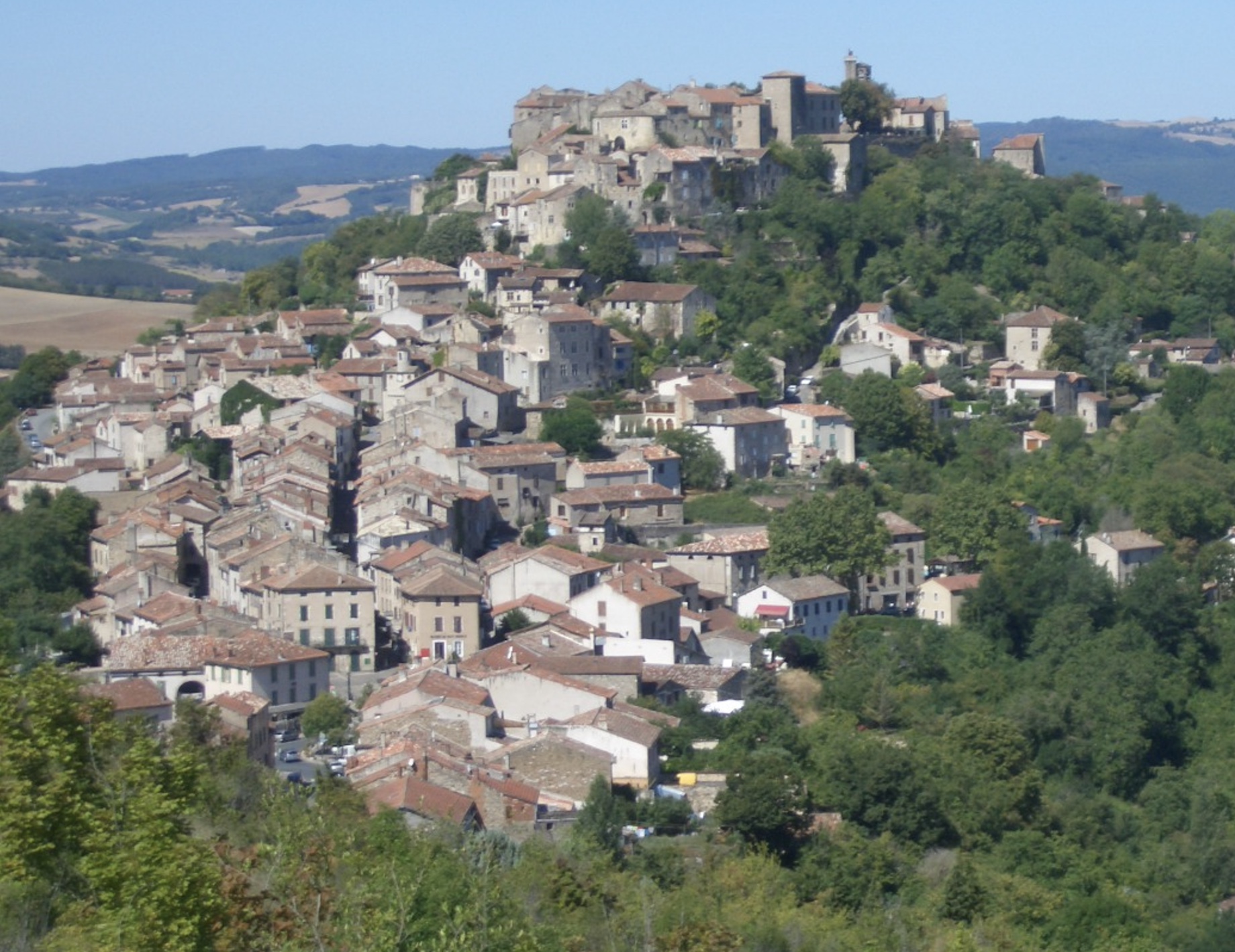
History of Cordes-sur-Ciel
Founded in 1222 by Count Raymond VII of Toulouse, Cordes-sur-Ciel stands as one of France’s most remarkable medieval towns. Originally named Cordes, the suffix “sur-Ciel” (meaning “in the sky”) was added in 1993 to reflect its dramatic hilltop location. During the Albigensian Crusade, the town served as a refuge for Cathars fleeing persecution. Its strategic position and impressive fortifications helped it survive the Hundred Years’ War, leaving us today with an exceptionally well-preserved medieval architectural heritage.
The town’s unique architecture tells the story of its prosperous past, when wealthy merchants built magnificent Gothic houses during the 13th and 14th centuries. These merchants, enriched by the textile trade, particularly in silk and leather, created what is now considered one of the finest collections of Gothic architecture in France.
How to get to Cordes-sur-Ciel
Reaching this medieval marvel requires some planning, but the journey itself is part of the experience. As you approach the town, you’ll be treated to increasingly spectacular views of its hilltop silhouette. The town’s elevated position, while challenging to access, was historically crucial for defense and now provides visitors with breathtaking vistas of the surrounding Tarn countryside.
- By train: Take a train to Cordes-Vindrac station, then a short taxi ride to the medieval city. The journey from Toulouse takes approximately 1 hour
- By car: From Toulouse, take the A68 motorway towards Albi, then follow the D600 to Cordes-sur-Ciel (about 1 hour and 15 minutes)
- By organized tour: Several companies offer day trips from Toulouse or Albi
- By bus: Regular services connect Albi to Cordes-sur-Ciel, with the journey taking about 45 minutes
Things to do in Cordes-sur-Ciel
Exploring Cordes-sur-Ciel is like stepping back in time to medieval France. The town’s winding cobblestone streets reveal new treasures at every turn, from perfectly preserved merchant houses to hidden artistic workshops. The historical center is a living museum where modern artisans continue centuries-old traditions in workshops nestled within medieval buildings.
Explore the medieval buildings
The architectural heritage of Cordes-sur-Ciel represents one of the finest collections of Gothic civil architecture in France. Each building tells its own story through intricate stone carvings, elaborate doorways, and pointed arch windows. The preservation of these structures is remarkable, offering visitors an authentic glimpse into medieval life.
- The Maison du Grand Veneur, featuring intricate stone carvings depicting hunting scenes
- The Maison du Grand Fauconnier, with its remarkable Gothic facades
- The Maison du Grand Écuyer, showcasing medieval architectural elements
Visit the museums
- The Musée d’Art Moderne et Contemporain: Modern artworks within medieval walls
- The Musée Charles-Portal: Exhibits presenting the town’s rich history
- The Sugar and Chocolate Museum: Showcasing local culinary traditions
Local gastronomy
The culinary tradition of Cordes-sur-Ciel reflects the rich agricultural heritage of the Tarn region. Local chefs take pride in transforming seasonal ingredients into traditional dishes that have been perfected over generations. The town’s elevated position historically helped preserve food in its cool cellars, leading to unique preservation techniques that influence local cuisine to this day.
The region’s gastronomic heritage is particularly evident in its pastries and confections. The famous Croquants de Cordes, crisp almond biscuits whose recipe dates back to the 16th century, are still baked using traditional methods. Local restaurants range from simple bistros serving hearty regional fare to sophisticated establishments offering modern interpretations of classic dishes.
- Croquants de Cordes (traditional almond biscuits)
- Gaillac wines from nearby vineyards
- Traditional cassoulet and duck dishes
- Local cheeses and charcuterie
Best time to visit
Each season in Cordes-sur-Ciel offers a unique perspective on this medieval gem. Spring brings mild temperatures and blooming flowers that add splashes of color to the ancient stone walls. Summer, while busier, pulses with cultural events and festivals that bring the medieval streets to life. Autumn paints the surrounding landscape in rich colors, creating a photographer’s paradise, especially during the early morning mist that gives the town its ethereal floating appearance.
Winter transforms the town into a quieter, more contemplative destination. The clear winter light creates sharp contrasts that highlight the architectural details, while seasonal festivals and markets add warmth to the cooler months. The famous morning mists are more frequent during this season, increasing the chances of witnessing the town’s floating effect.
- Spring (April-June): Mild weather and fewer tourists
- Summer (July-August): Medieval Festival and cultural events
- Autumn (September-October): Perfect weather for photography and hiking
- Winter (November-March): Quiet atmosphere and Christmas markets
Why visit Cordes-sur-Ciel with a professional tour guide?
The layers of history and hidden stories within Cordes-sur-Ciel become infinitely richer when explored with a knowledgeable tour guide. These local experts bring the medieval streets to life through their deep understanding of the town’s history, architecture, and cultural significance. Many guides are also connected with local artisans and can arrange special visits to workshops and studios that might otherwise be inaccessible to regular visitors.
A professional guide can help you understand the symbolic language of medieval architecture, explaining the meaning behind the intricate carvings and architectural details that might otherwise go unnoticed. They can also share legends and historical anecdotes that have been passed down through generations, adding depth to your understanding of this remarkable place.
- Detailed insights into the town’s rich history and architectural significance
- Explanations of symbolic meanings behind Gothic sculptures
- Stories about medieval life and local traditions
- Guidance to the best photography locations and timing
- Access to less-known viewpoints and historical spots
One-day itinerary in Cordes-sur-Ciel
- Morning: Begin with the medieval town exploration, visiting the main Gothic houses
- Afternoon: Visit the museums and artisan workshops
- Evening: Enjoy dinner at a traditional restaurant with panoramic views of the valley
Two-day itinerary in Cordes-sur-Ciel
- Day 1: Follow the one-day itinerary
- Day 2: Explore the lower town, visit the gardens, take a cooking class, and enjoy the local markets (if available)
Three-day itinerary in Cordes-sur-Ciel
- Days 1-2: Follow the two-day itinerary
- Day 3: Take a day trip to nearby attractions such as Albi (UNESCO World Heritage site) or explore the surrounding vineyards
Tips for visiting Cordes-sur-Ciel
- Wear comfortable walking shoes as the medieval town sits atop a steep hill
- Plan early morning visits for the best photography opportunities when fog surrounds the hill
- Visit the Saturday morning market for local products and atmosphere
- Consider using the electric tourist train during summer months if the climb seems challenging
Why visit Cordes-sur-Ciel with a professional tour guide?
A professional guide enhances your visit by providing:
- Detailed insights into the town’s rich history and architectural significance
- Explanations of symbolic meanings behind Gothic sculptures
- Stories about medieval life and local traditions
- Guidance to the best photography locations and timing
- Access to less-known viewpoints and historical spots
Entrance fees and prices
- Medieval city access: Free
- Musée d’Art Moderne et Contemporain: €6 for adults, €4 for students
- Sugar and Chocolate Museum: €5 for adults, €3 for children
- Guided tours: €8-15 per person for group tours
- Tourist train: €4 for adults, €2 for children
Opening hours
- Medieval city: Accessible 24/7
- Museums and shops:
- April to October: 10:00-18:00
- November to March: 10:00-17:00
- Restaurants:
- Lunch: 12:00-14:30
- Dinner: 19:00-21:30
- Market days: Saturday mornings throughout the year
Best time to visit
The town offers unique experiences throughout the year:
- Spring (April-June): Mild weather and fewer tourists
- Summer (July-August): Medieval Festival and cultural events
- Autumn (September-October): Perfect weather for photography and hiking
- Winter (November-March): Quiet atmosphere and Christmas markets
Accommodation options
Within the medieval city
- Boutique hotels in restored medieval buildings
- Charming bed and breakfasts with period features
- Traditional guesthouses with panoramic views
Lower town options
- Modern hotels with easier access
- Guesthouses with gardens and swimming pools
- Self-catering apartments
Special events and festivals
- Medieval Festival (July): Historical reenactments and traditional crafts
- Music Festival (August): Classical and traditional performances
- Christmas Market (December): Local crafts and seasonal specialties
- Grand Fauconnier Festival (Spring): Celebration of medieval falconry
Surrounding attractions
- Gaillac wine region: Renowned vineyards and wine tasting opportunities
- Albi: UNESCO World Heritage site featuring an impressive cathedral
- Najac: Another beautiful bastide town nearby
- Garden des Paradis: Beautiful terraced gardens with panoramic views
Photography recommendations
Best viewpoints for capturing the town’s famous “floating” effect:
- The valley viewpoint at sunrise for misty morning shots
- The western approach during morning fog
- The medieval streets during golden hour
- The panoramic platform near the church for sunset views
