

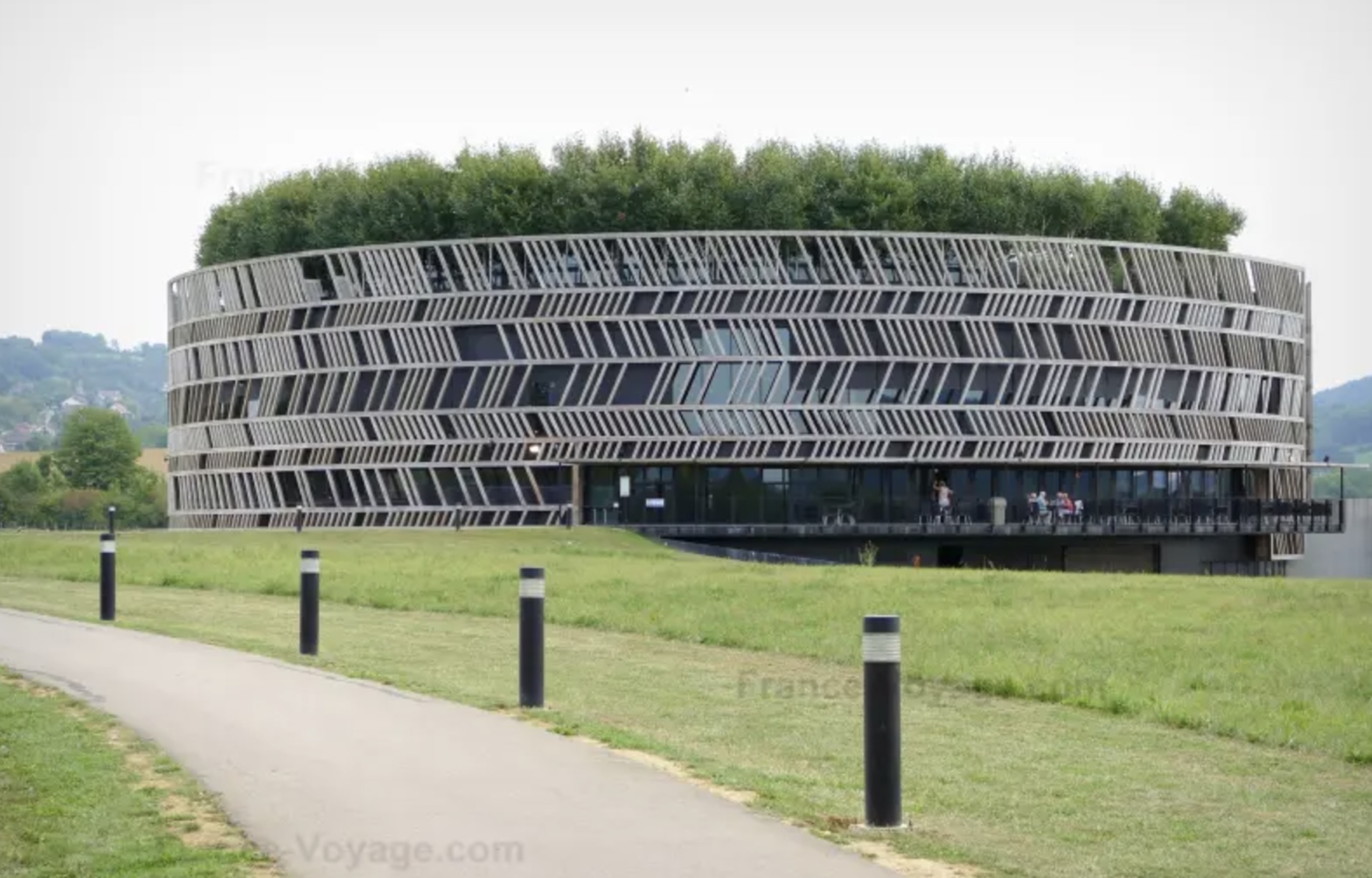
The History of Alise-Sainte-Reine
Alise-Sainte-Reine is a small historic commune located in the Côte-d’Or department of eastern France. This site is famous for being the location of the decisive Battle of Alesia in 52 BC, where Julius Caesar successfully besieged the Gallic leader Vercingetorix, leading to the Roman conquest of Gaul. The town’s history is rich, with archaeological findings that highlight its significance throughout various periods.
How to Get There
Alise-Sainte-Reine can be accessed by car via the D954 road, connecting it to major nearby cities such as Dijon, which is approximately an hour’s drive away. Alternatively, visitors can reach the town by taking a train to Montbard, which is serviced by TGV, and then a short taxi or bus ride to Alise-Sainte-Reine.
Things to Do in Alise-Sainte-Reine
Visitors can explore the MuséoParc Alésia, an interactive museum dedicated to the famous battle, which offers both indoor exhibits and an outdoor archaeological site. There’s also a statue of Vercingetorix, showcasing the significance of the historical figure. Walking through the quaint streets provides a glimpse into traditional French life.
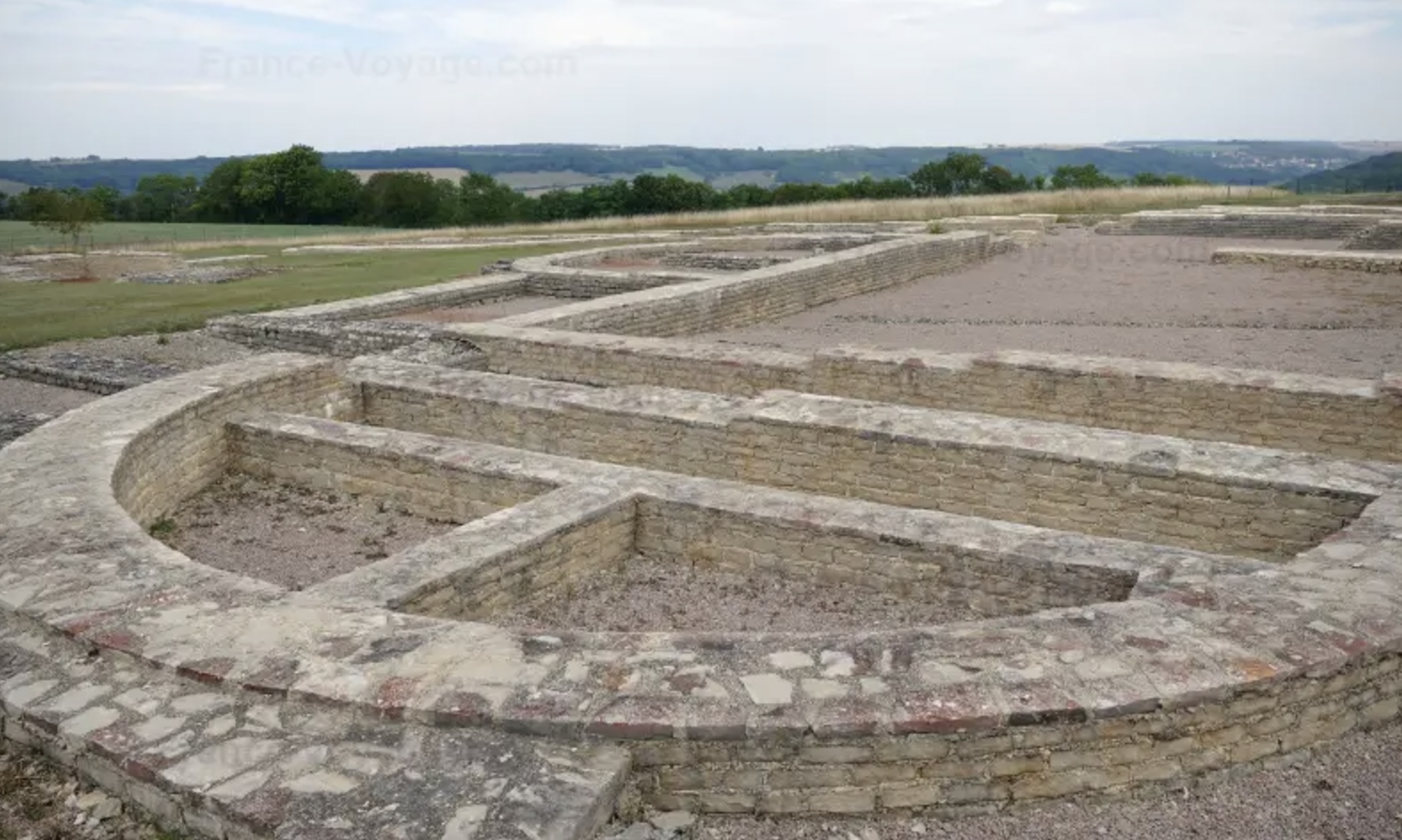
Visit MuséoParc Alésia
The MuséoParc offers a comprehensive display of the Gallic wars and is a must-visit for history enthusiasts. It contains reconstructions, artifacts, and multimedia presentations that recreate the atmosphere of the past.
Visiting Alise-Sainte-Reine in 1 Day
If you have only one day to explore Alise-Sainte-Reine, start your morning at the MuséoParc Alésia. Spend a few hours there to absorb the rich history. Afterward, enjoy lunch at a local café before visiting the statue of Vercingetorix. End your day with a walk around the charming village.
Visiting Alise-Sainte-Reine in 2 Days
With two days, you can delve deeper into the heritage of the area. Spend the first day as mentioned above, and reserve the second day for hiking in the beautiful surrounding landscapes. There are numerous trails that offer picturesque views of the Burgundy countryside.
Visiting Alise-Sainte-Reine in 3 Days
Three days give you ample time to immerse yourself thoroughly. Beyond the activities of the first two days, consider visiting nearby towns such as Flavigny-sur-Ozerain, known for its anise-flavored candy production. You can also enjoy wine tasting tours in the region, renowned for its wine.
Tips for Visiting Alise-Sainte-Reine
Wear comfortable shoes, as you’ll do a fair amount of walking around the village and archaeological sites. It’s also wise to bring a hat or an umbrella, as the weather can be unpredictable. Checking the local events calendar is beneficial, as you may coincide your visit with cultural festivals or historical reenactments.
Is There an Entrance Fee?
An entrance ticket to the MuséoParc Alésia costs approximately €10 for adults, with discounted rates available for children, students, and senior citizens. The surrounding village and outdoor sites generally do not require an entrance fee.
Opening Hours
The MuséoParc Alésia is usually open from 10 AM to 5 PM, although hours can vary according to the season. It is recommended to check their official site or contact them directly for the most current information.
Best Time to Visit Alise-Sainte-Reine
The best time to visit Alise-Sainte-Reine is during the spring (April to June) or the fall (September to October) when the weather is mild, and the natural scenery is at its most beautiful. These periods also tend to have fewer tourists, allowing for a more peaceful experience.
Why Visit Alise-Sainte-Reine with a Professional Tour Guide?
A guided tour can enhance your visit significantly, offering insider knowledge and in-depth insights into the historical significance of Alise-Sainte-Reine. A professional guide can provide context that you might not get from standard informational plaques, making your experience more enriching and educational.
Accommodations and Dining
Where to Stay
The area offers a range of accommodations, from charming bed and breakfasts to more luxurious hotel options. Staying in the village itself or nearby towns will ensure a convenient and pleasant visit.
Dining Options
Experience the local cuisine by dining at one of the village’s restaurants that offer traditional French dishes. Enjoying a meal here provides a taste of Burgundy’s rich culinary heritage.
