

The history of Plage de Roccapina
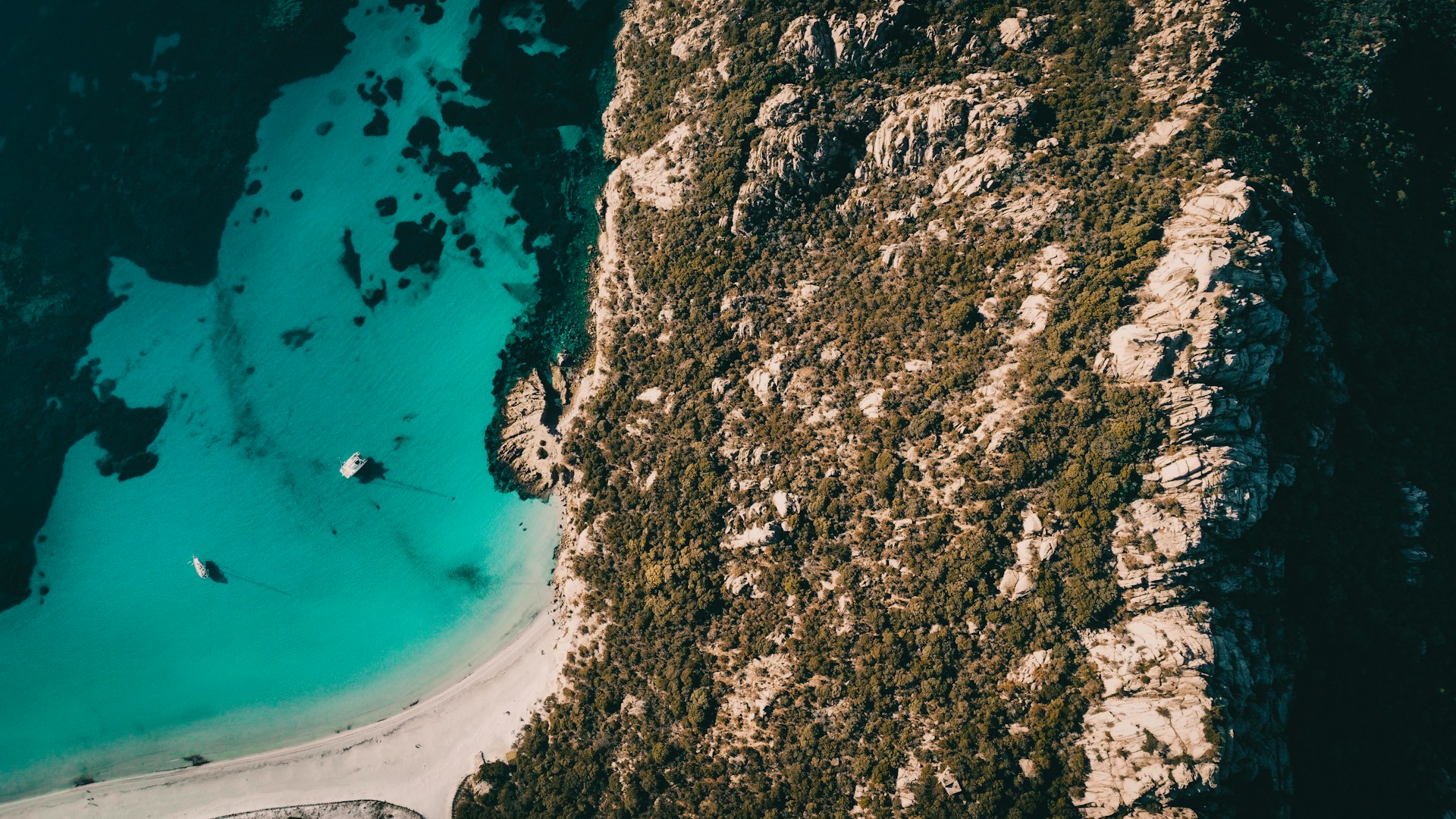
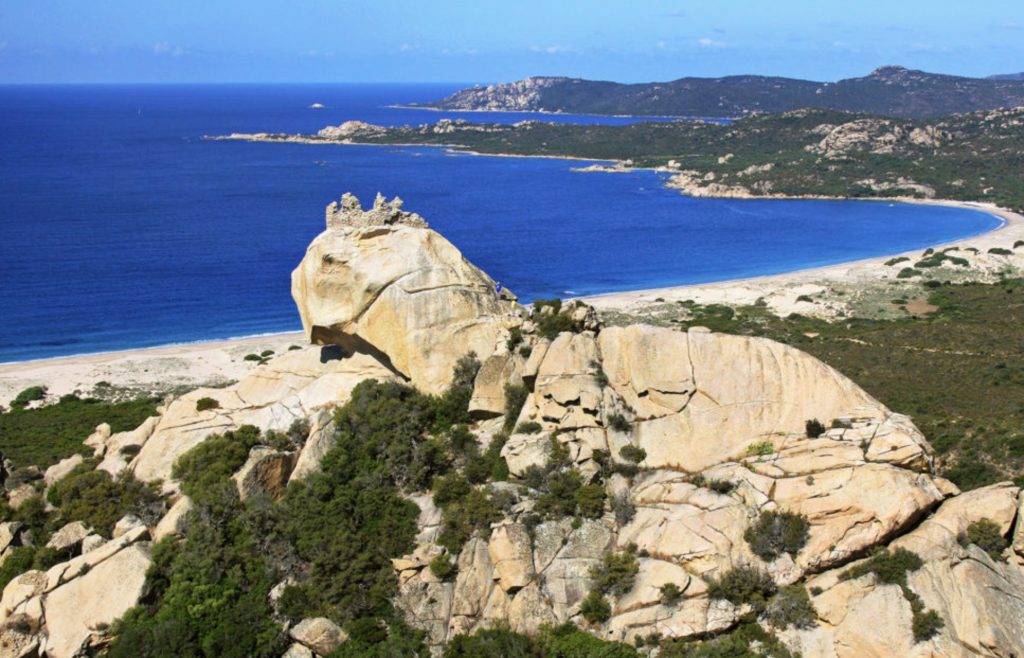
Plage de Roccapina is a secluded beach located in the southern part of Corsica, France. Known for its crystalline waters and unique landscape, the beach is set against the backdrop of a rocky promontory topped by the famous “Roccapina Lion,” a naturally shaped rock formation that resembles a crouching lion. The area carries a rich history, including tales of pirates and local folklore that lend a mystique to its natural beauty. Over the years, it has remained a haven for beachgoers who seek tranquility far from the crowded tourist spots.
How to get there
Plage de Roccapina is accessible by car from major towns in Corsica. From Ajaccio, take the N196 road towards Sartène and follow the signs to Roccapina. The beach is about a 90-minute drive from Ajaccio and a 35-minute drive from Bonifacio. Note that the road leading to the beach can be steep and narrow, so it’s advisable to drive carefully. There is a small parking area near the entrance of the beach.
Public transport options
While public transport directly to Plage de Roccapina is limited, you can take a bus to Sartène and then hire a taxi or rent a car to reach the beach.
What to do at Plage de Roccapina
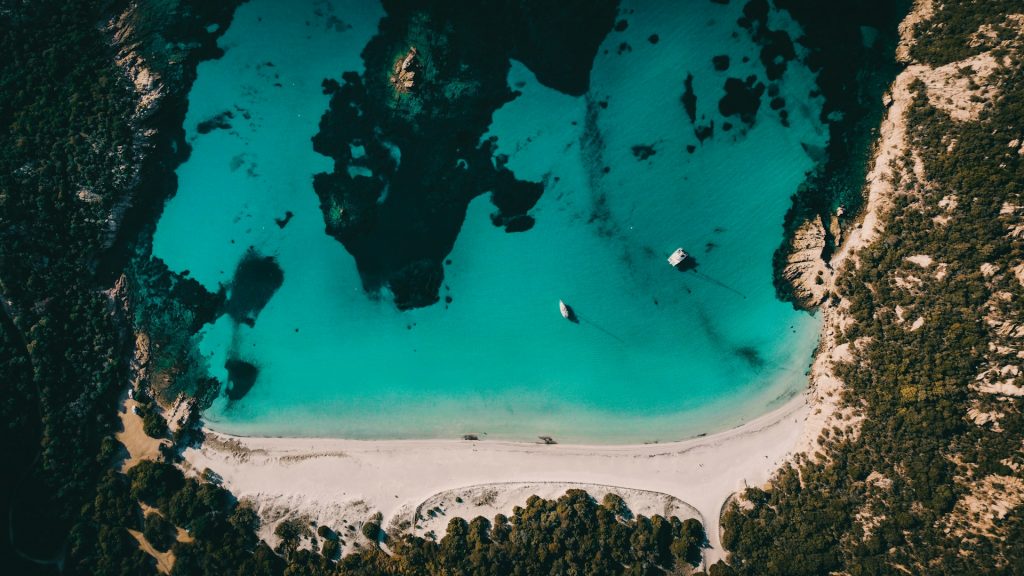
The pristine beach is perfect for sunbathing, swimming, and snorkeling. The clear waters offer a vibrant underwater world to explore. Hike up to the “Roccapina Lion” for a breathtaking view of the landscape. Photography enthusiasts will find the natural scenery ideal for capturing memorable shots.
Nearby attractions
While visiting Plage de Roccapina, you may also want to explore nearby historical sites like the ancient town of Sartène, known for its narrow medieval streets and charming squares.
Visit Plage de Roccapina in 1 day
Start your day early by arriving at Plage de Roccapina to enjoy the serene morning ambiance. Spend the morning basking on the sandy shores and swimming in the turquoise waters. Take a midday hike to the “Roccapina Lion” and enjoy a picnic lunch with a view. Wrap up your day with a leisurely stroll along the beach before heading back.
Visit Plage de Roccapina in 2 days
On the first day, enjoy the beach activities and explore the “Roccapina Lion” trail. Stay overnight in a local guesthouse or campsite nearby. On the second day, explore the nearby town of Sartène, visiting its historic sites and indulging in Corsican cuisine before returning to the beach for a sunset view.
Visit Plage de Roccapina in 3 days
Extend your stay by renting a villa or a B&B close to the beach. Use the first two days to explore the beach and surrounding areas. On the third day, consider a day trip to the stunning Lavezzi Islands where you can experience snorkeling or take a boat tour from Bonifacio for a different adventure.
Tips for visiting Plage de Roccapina
Bring plenty of water and snacks, as there are limited facilities near the beach. Wear comfortable walking shoes if you plan to hike to the “Roccapina Lion.” Summer can be very hot, so sun protection like hats and sunscreen is essential. It’s also a good idea to have some cash handy, as card payments may not be accepted in remote areas.
Is a ticket required, and what are the prices?
There is no entrance fee required to access Plage de Roccapina. The beach is open to the public; however, if you plan to use any services or partake in certain guided tours, fees may apply. It’s advisable to check with local tour providers for specific pricing.
What are the opening hours?
There are no official opening or closing hours for Plage de Roccapina, as it is a natural public beach. Visitors are welcome at any time, though it is recommended to visit during daylight for safety reasons, especially if you plan to hike or swim.
When is the best time to visit Plage de Roccapina?
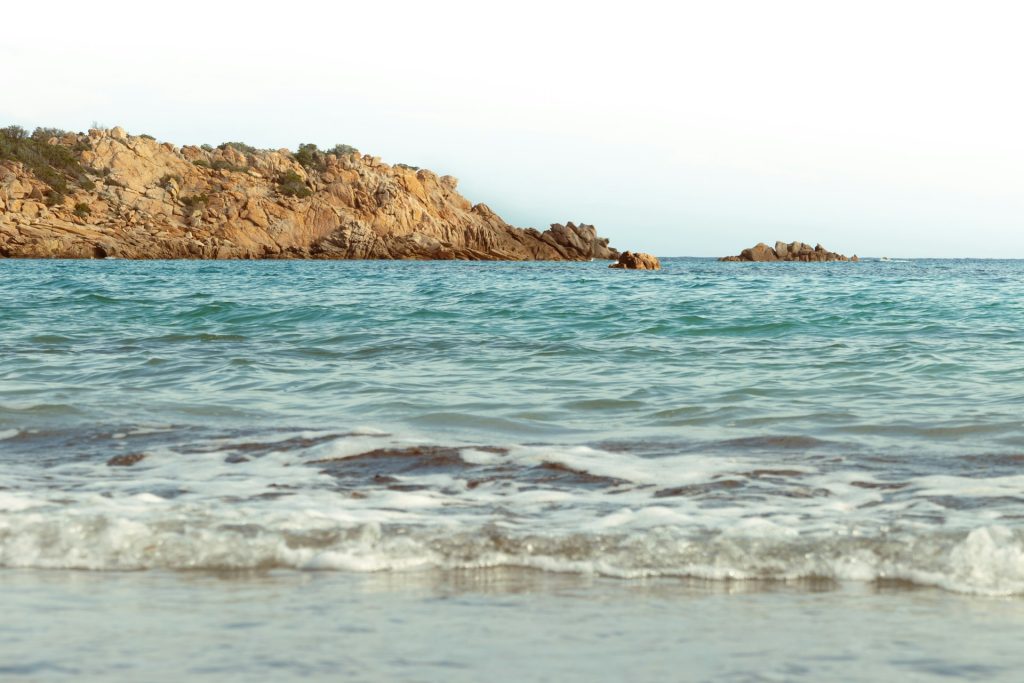
The best time to visit Plage de Roccapina is during the late spring and early fall when the weather is pleasant, and the tourist crowds are smaller. These periods provide ideal conditions for both beach activities and hiking.
Why visit Plage de Roccapina with a professional tour guide?
Visiting Plage de Roccapina with a professional tour guide can enhance your experience significantly. A guide can provide historical context, share fascinating local myths, and navigate the area efficiently. They can also ensure you don’t miss hidden spots that might not be immediately apparent to first-time visitors. Their knowledge of the local flora and fauna will enrich your understanding of this unique environment.
