

History of Saint-Émilion
Saint-Émilion’s story begins in the 8th century when a Breton monk, Émilion, settled in a hermitage carved into the rock. The monk’s reputation for performing miracles attracted followers, leading to the establishment of a thriving monastic community. This spiritual foundation would shape the town’s development for centuries to come, leaving an indelible mark on its architecture and culture.
The town’s golden age arrived in the Middle Ages when it became a crucial stop on the pilgrimage route to Santiago de Compostela. This period saw the construction of many of its iconic monuments, including the remarkable monolithic church, carved entirely from solid rock. The town’s viticultural heritage also took root during this time, as monks developed the region’s first vineyards, establishing practices that would eventually make Saint-Émilion synonymous with exceptional wine.
In 1999, Saint-Émilion achieved UNESCO World Heritage status, recognized for its historic vineyards and exceptional architecture. This medieval town represents one of the few places where viticulture, spirituality, and architectural innovation have combined so perfectly to create a living testament to human ingenuity and artistry.
How to get to Saint-Émilion
Nestled in the heart of one of the world’s most famous wine regions, Saint-Émilion is remarkably accessible despite its medieval character. The journey to this UNESCO World Heritage site is part of the experience, as you traverse the legendary Bordeaux wine country with its endless rows of perfectly maintained vines.
- By train: Regular services run from Bordeaux Saint-Jean station to Saint-Émilion, taking approximately 35 minutes
- By car: A 45-minute drive from Bordeaux via the A62 motorway and D243
- By organized tour: Numerous wine tours and day trips operate from Bordeaux
- By bicycle: For adventure seekers, cycling routes connect Bordeaux to Saint-Émilion through the vineyards
Things to do in Saint-Émilion
Saint-Émilion offers an extraordinary blend of historical, cultural, and oenological experiences. The town’s compact size belies its wealth of attractions, each contributing to the rich tapestry of local heritage. Every cobblestone street and ancient building tells a story of the town’s evolution from a religious center to a world-renowned wine capital.
Historical monuments
The town’s religious heritage forms the cornerstone of its historical attractions. The monolithic church, Europe’s largest underground church, represents a remarkable feat of medieval engineering and spiritual devotion. Carved from solid limestone in the 12th century, it stands as a testament to human perseverance and ingenuity.
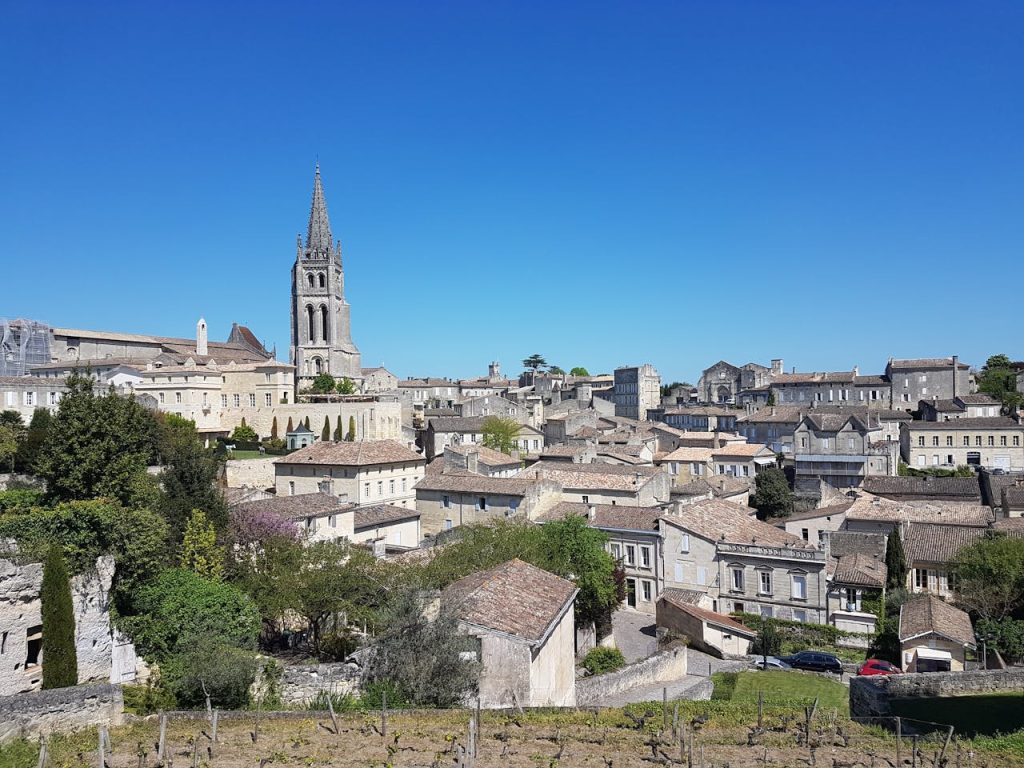
- The Monolithic Church and its 53-meter-high bell tower offering panoramic views
- The Collegiate Church, with its beautiful 14th-century cloister
- The Cordeliers Cloister, home to sparkling wine production in ancient cellars
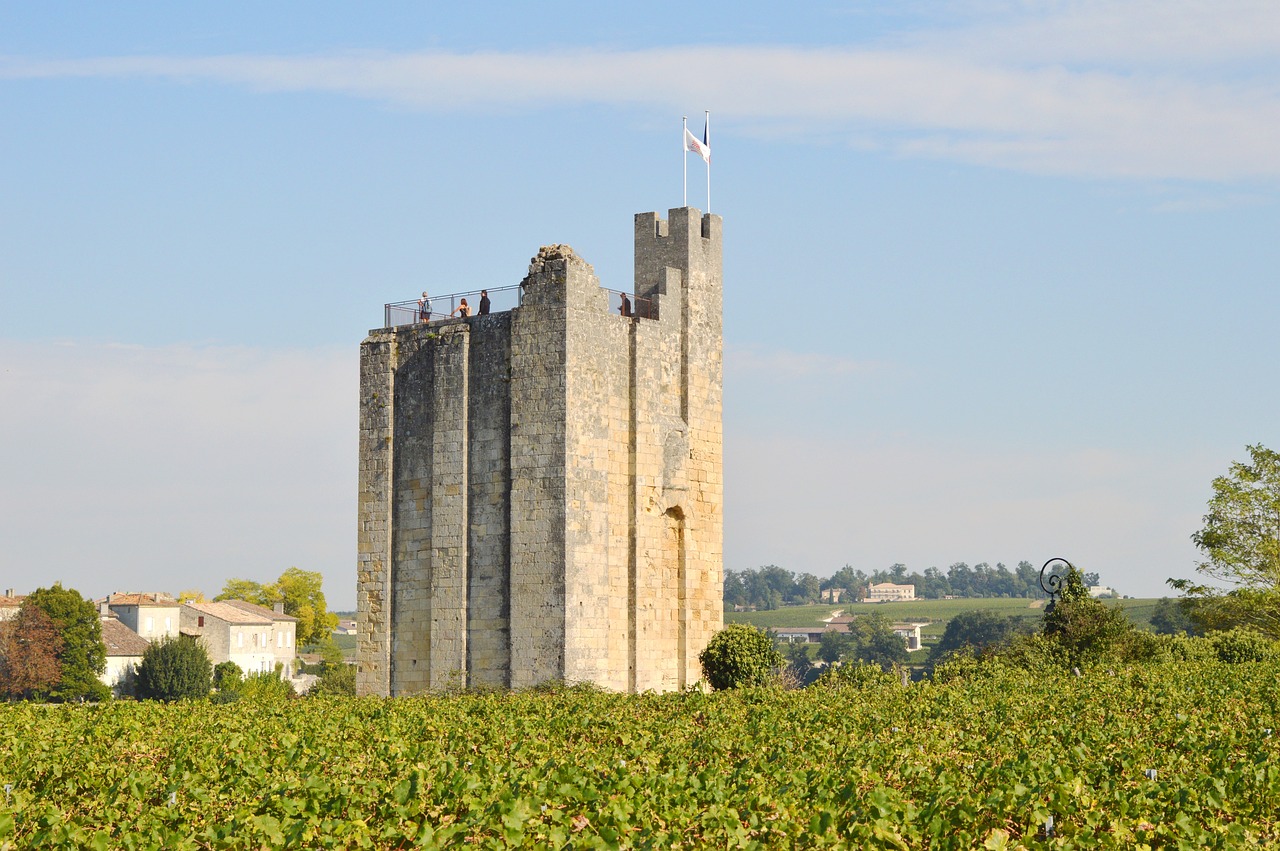
- The King’s Tower, offering spectacular views over the town and vineyards
Wine experiences
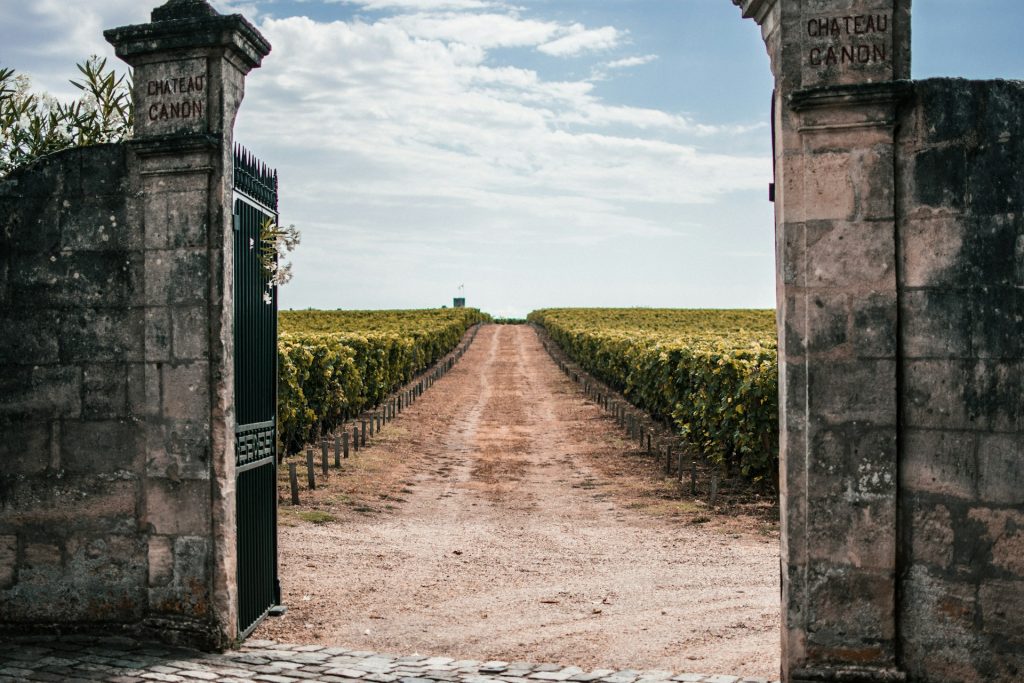
Wine is more than a beverage in Saint-Émilion; it’s the lifeblood of the community and a living connection to centuries of tradition. The surrounding vineyards, carefully tended for generations, produce some of the world’s most sought-after wines. Understanding this heritage is essential to appreciating the town’s soul.
- Visit historic châteaux and their underground cellars
- Participate in wine tasting workshops and blending sessions
- Tour the vineyards to understand terroir and cultivation methods
- Explore the Maison du Vin for wine education and purchases
Best time to visit
Saint-Émilion’s charm evolves with each passing season, offering unique experiences throughout the year. Spring brings the first buds to the vines, painting the countryside in delicate greens. Summer sees the vineyards in full growth, with various festivals celebrating local wine and culture. Autumn transforms the landscape into a tapestry of golds and reds as the harvest begins, while winter offers a more contemplative experience of the town’s architectural treasures.
The grape harvest, typically occurring in September and October, provides a particularly special time to visit. During this period, the entire region comes alive with activity as centuries-old traditions play out in the vineyards. However, visitors should note that many châteaux are closed to the public during this busy period.
- Spring (March-May): Mild weather, awakening vineyards, fewer tourists
- Summer (June-August): Warm weather, festivals, peak tourist season
- Autumn (September-October): Harvest season, beautiful colors, wine festivals
- Winter (November-February): Quiet atmosphere, excellent wine tasting opportunities
Why visit Saint-Émilion with a professional tour guide?
The layers of history, tradition, and wine culture in Saint-Émilion are best understood through the expertise of a professional guide. These local experts possess deep knowledge not only of the town’s architectural heritage but also of its viticultural traditions. They can unlock doors to private châteaux, explain the complexities of wine classification, and share insider stories that bring the town’s history to life.
A professional guide serves as your bridge between past and present, helping you understand how medieval religious life, architectural innovation, and wine-making excellence have intertwined over centuries to create the Saint-Émilion of today. Their expertise is particularly valuable in understanding the complex wine appellation system and accessing premier wine estates that might otherwise be closed to the public.
- Access to private châteaux and exclusive wine tastings
- Expert interpretation of historical sites and wine-making processes
- Insider knowledge of the best photography spots and viewpoints
- Understanding of the complex Saint-Émilion wine classification system
- Customized itineraries based on your interests and time constraints
Local gastronomy
Saint-Émilion’s culinary heritage extends far beyond its famous wines. The town’s restaurants and cafes celebrate the rich gastronomy of the Bordeaux region, offering dishes that perfectly complement the local wines. Traditional recipes have been passed down through generations, each adding their own interpretation while respecting the fundamental flavors and techniques.
The macarons of Saint-Émilion deserve special mention. These delicate almond cookies, made from a secret recipe dating back to 1620, differ from their Parisian cousins in both texture and preparation method. They represent just one example of the town’s commitment to preserving its culinary heritage while embracing modern gastronomy.
- Traditional macarons made from a centuries-old recipe
- Regional specialties including lamprey à la bordelaise
- Local cheeses perfectly paired with Saint-Émilion wines
- Seasonal truffle dishes in winter months
Accommodation options
Staying in Saint-Émilion offers the rare opportunity to experience life in a medieval wine town after the day-trippers have departed. The evening light playing on the limestone buildings and the quiet of the ancient streets create an atmosphere that transport visitors back through centuries. Accommodation options range from luxury wine châteaux to charming bed and breakfasts, each offering its own perspective on local hospitality.
- Luxury château hotels surrounded by vineyards
- Boutique hotels in converted medieval buildings
- Charming bed and breakfasts run by local families
- Wine estate accommodations offering immersive experiences
Entrance fees and prices
While wandering the medieval streets of Saint-Émilion is free, accessing its remarkable monuments and experiences requires some investment. The town operates a system of combined tickets that offer excellent value for visitors interested in exploring multiple historical sites. These passes include access to the underground monuments and guided tours of the medieval city, providing a comprehensive glimpse into the town’s rich history.
Wine tasting experiences vary significantly in price, reflecting the prestigious nature of Saint-Émilion’s vineyards. Premier Grand Cru Classé châteaux typically charge more for their tastings, but these often include extensive tours of their historic cellars and detailed explanations of their wine-making processes. Many smaller family-owned vineyards offer more intimate experiences at moderate prices.
- Monument Pass (including Monolithic Church): €15 for adults, €12 for students
- Bell Tower access: €7 additional fee
- Guided historical tour: €9-15 per person
- Wine tastings: €15-50 per person, depending on the château
- Wine and monument combined pass: €25-35 per person
Opening hours
Saint-Émilion operates on a rhythm dictated by both tourism and wine production. The town’s monuments and shops generally maintain consistent hours throughout the year, while wine châteaux visits often require advance reservations. Restaurant hours reflect the French dining culture, with specific lunch and dinner service times.
During the peak summer season, many establishments extend their hours to accommodate the increased number of visitors. However, winter sees a more relaxed pace, with some businesses operating on reduced schedules. It’s worth noting that many family-owned wine estates close during the harvest season to focus on wine production.
- Historical monuments:
- April to October: 10:00-19:00
- November to March: 10:00-17:00
- Wine châteaux:
- Most visits by appointment only
- Typical visiting hours: 10:00-12:00 and 14:00-17:00
- Tourist Office:
- High season: 9:30-19:00 daily
- Low season: 9:30-17:00, closed Sundays
The wine classification system
Understanding Saint-Émilion’s wine classification system adds another layer of appreciation to your visit. Unlike the static 1855 classification of the Médoc, Saint-Émilion’s system undergoes regular revision approximately every ten years. This dynamic approach ensures continued quality and gives producers constant motivation to maintain and improve their standards.
The classification comprises three levels: Premier Grand Cru Classé A, Premier Grand Cru Classé B, and Grand Cru Classé. These designations reflect not only the quality of the wine but also the consistency of production, the estate’s reputation, and the terroir. The classification process involves blind tastings, vineyard inspections, and evaluations of wine-making facilities.
Seasonal activities and festivals
Saint-Émilion’s calendar is punctuated by events that celebrate its wine, history, and cultural heritage. The most significant of these is the Ban des Vendanges in September, marking the official start of the grape harvest. This tradition dates back to the Middle Ages when local authorities would declare the precise day when harvesting could begin.
June brings the Fête de la Jurade, a colorful celebration featuring the induction of new members into the Jurade of Saint-Émilion, the historic wine brotherhood that has promoted and protected the region’s wines since the 12th century. The ceremony includes a procession of members in traditional crimson robes through the medieval streets.
- Spring events:
- Saint-Émilion Jazz Festival (June)
- Portes Ouvertes (Open Doors weekend in April)
- Summer celebrations:
- Fête de la Jurade (June)
- Classical music concerts in historical monuments
- Autumn festivities:
- Ban des Vendanges (September)
- Harvest festivals throughout the region
Photography in Saint-Émilion
Saint-Émilion offers photographers an enchanting mix of architectural, landscape, and viticultural subjects. The town’s position on a limestone plateau creates dramatic perspectives, particularly during the golden hours of early morning and late afternoon. The interplay of light on the honey-colored stone buildings, combined with the geometric patterns of the surrounding vineyards, provides endless compositional possibilities.
The medieval streets offer particularly captivating photographic opportunities after rain, when the worn limestone cobblestones reflect the historic architecture above. During autumn, the changing colors of the vine leaves create a spectacular backdrop, while winter morning mists add an ethereal quality to landscape photographs.
Hidden gems and lesser-known attractions
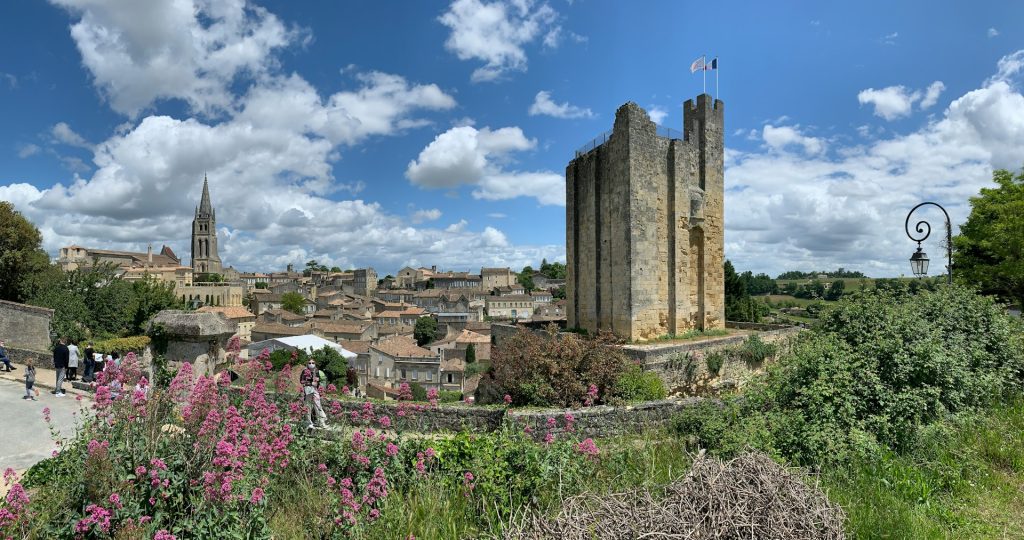
Beyond the famous monuments and prestigious châteaux, Saint-Émilion harbors numerous lesser-known treasures that reward curious visitors. The network of underground quarries, from which the town’s building stones were extracted, extends far beneath the streets. Some of these caves have been converted into remarkable wine cellars, while others hold fascinating archaeological remains.
The Couvent des Ursulines, while less visited than the main monuments, offers a peaceful retreat with its restored gardens and impressive views over the town. The ancient washing places (lavoirs) along the lower streets provide glimpses into daily life from centuries past, while the remaining sections of the medieval ramparts offer excellent walking routes with panoramic views.
Accessibility and practical considerations
Saint-Émilion’s medieval character, while charming, presents some challenges for visitors with mobility concerns. The town’s steep, cobbled streets and numerous stairs require careful navigation. However, many establishments have made efforts to improve accessibility where possible, and several viewpoints and major attractions can be reached by car or the tourist train.
The tourist office provides detailed accessibility information and can help arrange appropriate accommodations and wine tours. Some châteaux have installed elevators or ramps to facilitate cellar visits, though it’s essential to inquire about specific arrangements when booking.
Frequently Asked Questions about Saint-Émilion
Here are comprehensive answers to the most common questions visitors ask about Saint-Émilion. This guide will help you plan your visit and understand the unique aspects of this historic wine town.
How long should I spend in Saint-Émilion?
While Saint-Émilion can be visited as a day trip from Bordeaux, staying for at least two days allows you to fully appreciate the town’s rhythms and character. A longer stay gives you time to explore both the historical monuments and visit several wine châteaux, which typically require advance reservations. Many visitors find that the town is most magical in the early morning and evening hours when day-trippers have departed. Additionally, wine tastings are best spread across multiple days to fully appreciate the nuances of different wines.
Do I need to book wine tastings in advance?
Yes, booking wine tastings in advance is highly recommended and often required, especially for the more prestigious châteaux. Many estates are family-owned and operated, meaning they coordinate visits around their wine-making activities. During peak season (June-September) and harvest time (September-October), some châteaux may be fully booked weeks in advance. The tourist office can assist with bookings, or you can contact châteaux directly. Some smaller vineyards may accept walk-ins, but this shouldn’t be relied upon for a planned visit.
What is the best way to get around the vineyards?
While several options exist for exploring the vineyards, the best choice depends on your interests and comfort level. Organized tours eliminate the need for a designated driver and often include privileged access to certain châteaux. However, having your own car offers more flexibility. Electric bikes are increasingly popular, providing an eco-friendly way to explore while allowing you to cover significant distance. The tourist office also offers a small train service that covers the main monuments and some nearby vineyards. For those interested in photography, walking between nearby châteaux offers the best opportunities for capturing the landscape.
Is Saint-Émilion suitable for children?
Saint-Émilion offers numerous activities that can engage children, despite its reputation as a wine destination. The medieval streets and ramparts appeal to young imaginations, while the bell tower climb provides an adventure with a rewarding view. Many châteaux have adapted their tours to be family-friendly, focusing on the grape-growing process and historical aspects rather than just wine tasting. The tourist office offers special activity booklets for children, turning the town exploration into a treasure hunt. During summer, there are often street performers and artisans demonstrating traditional crafts, which can be particularly engaging for younger visitors.
What is the difference between Saint-Émilion wines and other Bordeaux wines?
Saint-Émilion wines are distinguished by their terroir and grape composition. Unlike the Médoc’s Cabernet Sauvignon-dominated wines, Saint-Émilion primarily uses Merlot and Cabernet Franc grapes. The limestone and clay soils, combined with the area’s unique microclimate, produce wines that are generally softer and more approachable in their youth compared to other Bordeaux wines. The classification system here is also unique, being revised approximately every decade to maintain quality standards, unlike the static 1855 classification used in the Médoc.
Can I visit Saint-Émilion during the wine harvest?
Visiting during harvest season (typically September-October) offers a unique perspective on wine production, but requires careful planning. Many châteaux reduce or suspend their regular visiting hours to focus on the harvest. However, this period also features special harvest festivals and events, including the traditional Ban des Vendanges celebration. The autumn colors in the vineyards are particularly spectacular during this time. If you plan to visit during harvest, booking accommodations and château visits well in advance is essential.
What should I wear when visiting the châteaux?
While there’s no strict dress code for most château visits, smart casual attire is appropriate. Remember that many cellars maintain constant cool temperatures (around 12-15°C/53-59°F) regardless of the season, so bringing a light jacket is advisable. Comfortable, closed-toe shoes are essential as you’ll be walking on uneven surfaces in the cellars and vineyards. For more prestigious estates, particularly if you’re attending a formal tasting or meal, slightly more formal attire would be appropriate.
Is English widely spoken in Saint-Émilion?
Given Saint-Émilion’s international reputation and significant tourist presence, English is widely spoken in establishments catering to visitors. Most château tours, museums, and guided city walks are available in English. However, learning a few basic French phrases is appreciated by locals and can enhance your experience, particularly in smaller establishments or family-owned châteaux. The tourist office staff are multilingual and can assist with translation if needed.
What is the Jurade and why is it important?
The Jurade of Saint-Émilion is a wine brotherhood dating back to 1199 when King John of England granted the town its independence and the right to self-governance. The Jurade was responsible for ensuring wine quality and managing exports. While its legal authority ended during the French Revolution, it was revived in 1948 to promote Saint-Émilion wines worldwide. Today, the Jurade’s ceremonies, particularly the colorful processions in traditional crimson robes, are important cultural events that connect the region’s present wine industry with its medieval heritage.
How accessible is Saint-Émilion for visitors with mobility challenges?
The medieval character of Saint-Émilion, with its steep streets and numerous stairs, presents challenges for visitors with mobility issues. However, several accommodations exist to make the town more accessible. The tourist office provides detailed accessibility maps showing routes suitable for wheelchair users. Many châteaux have installed elevators or ramps for cellar access, though advance inquiry is recommended. The tourist train offers an alternative way to view the town and some surrounding vineyards without extensive walking. Some hotels and restaurants have made significant efforts to improve accessibility, and the tourist office can provide specific recommendations based on individual needs.
What makes Saint-Émilion a UNESCO World Heritage site?
Saint-Émilion received its UNESCO World Heritage status in 1999 as a “Cultural Landscape.” This designation recognizes not just the medieval town itself, but the entire wine-growing territory and its historical development. UNESCO specifically acknowledges the area’s exceptional testimony to a living cultural tradition of viticulture, the historic monuments reflecting its development since the Middle Ages, and the intact medieval urban layout. The designation covers both the historic town and the eight surrounding communes that make up the wine jurisdiction, recognizing the integrated nature of the built heritage and the cultivated landscape.
