

Severac le Chateau: A Medieval Gem in Southern France
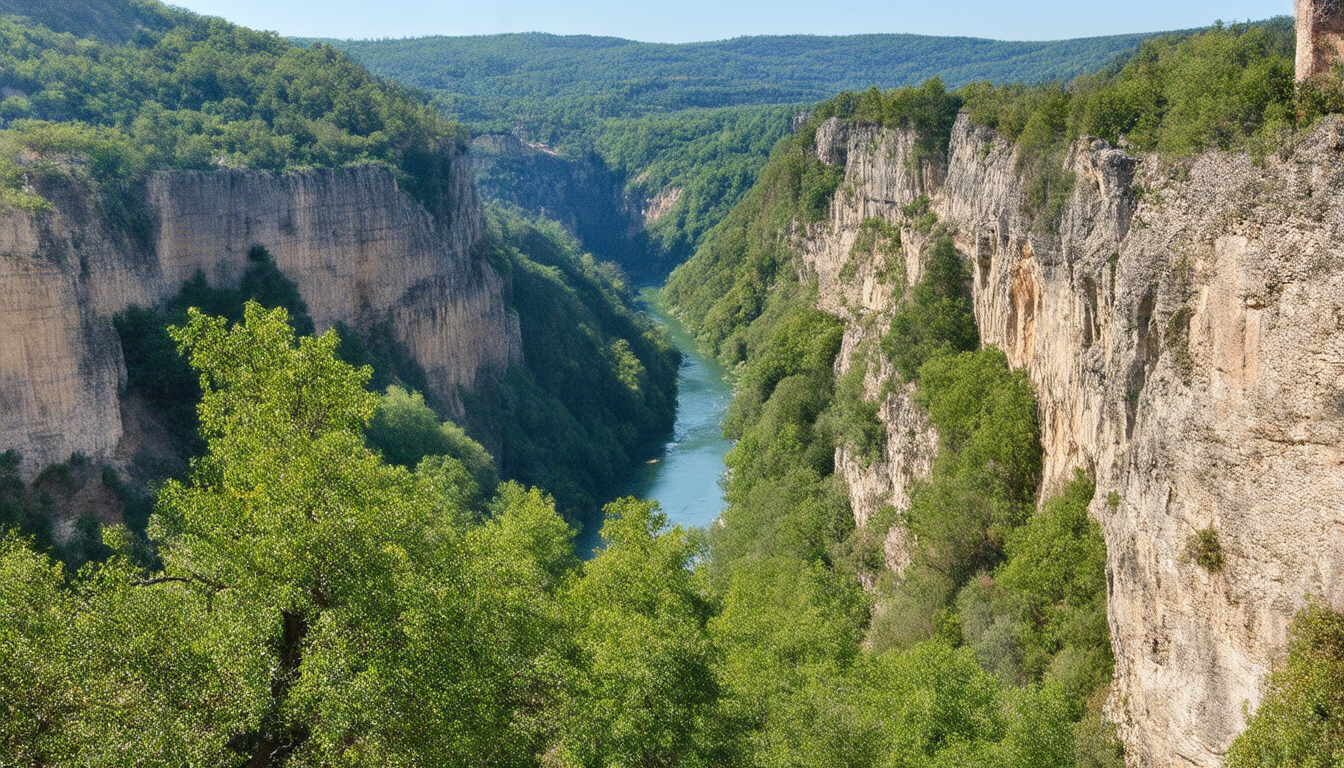
Perched majestically on a hilltop in the Aveyron department, Severac le Chateau stands as a testament to France’s rich medieval heritage. This enchanting village, located 20 kilometers north of Millau, captivates visitors with its remarkable castle, winding cobblestone streets, and timeless architecture. The village’s strategic position within the Natural Regional Park of the Grandes Causses offers breathtaking panoramic views of the surrounding countryside.
The Majestic Castle: A Tale of Two Faces
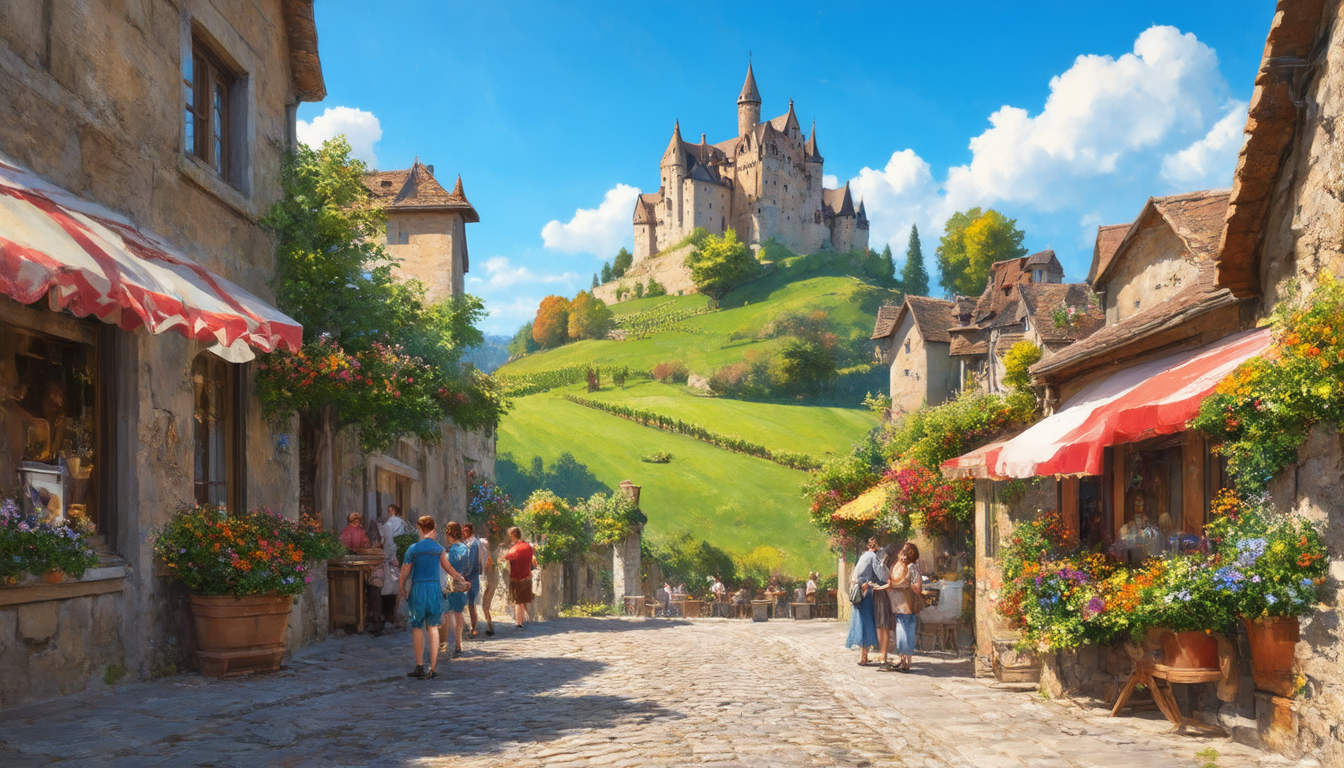
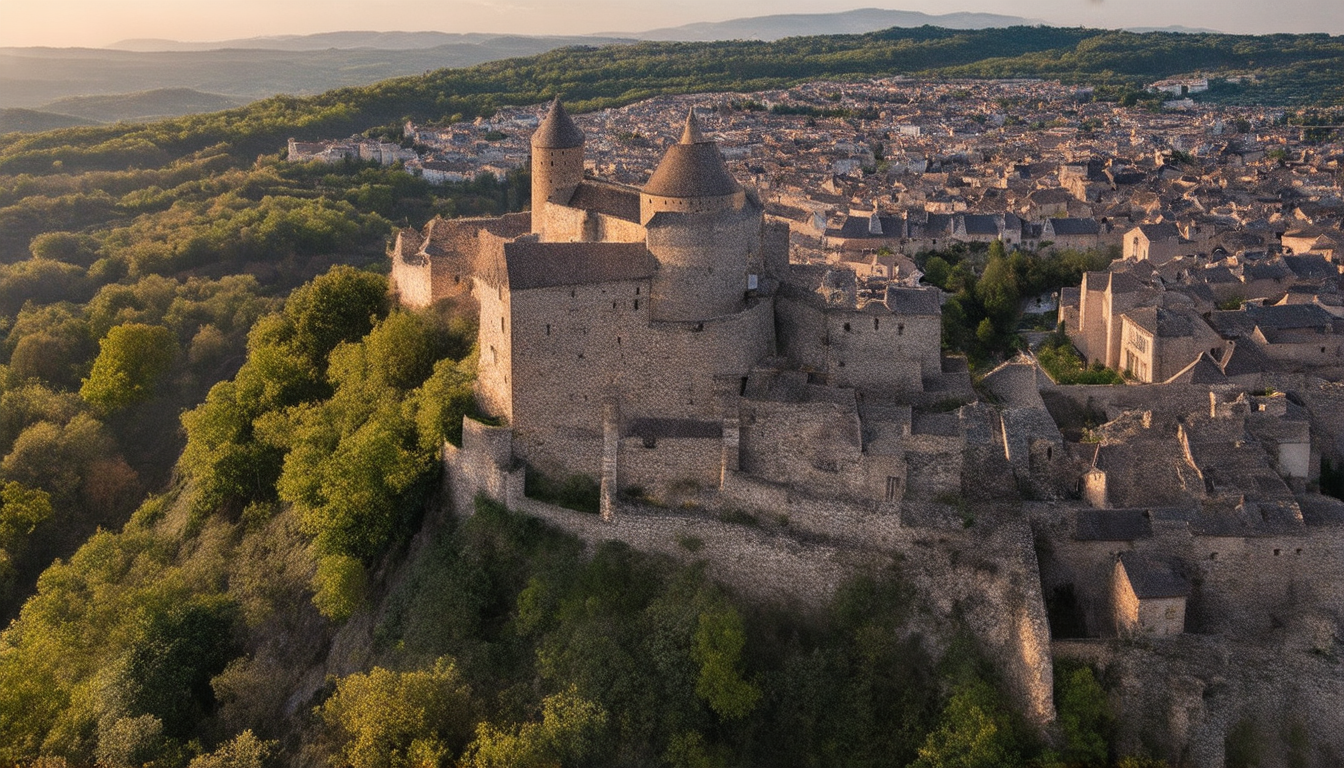
The castle of Severac presents a fascinating architectural duality. Its northern facade embodies medieval defensive might, while the southern side reveals elegant Renaissance refinements. This unique combination reflects the evolution of French architecture through centuries. The castle’s strategic hilltop location served both defensive purposes and as a symbol of noble power in medieval times.
Architectural Marvels and Historical Significance
The castle’s interior holds numerous treasures, including well-preserved ramparts, medieval kitchens, and a stunning chapel. Each room tells stories of the noble families who once called these stone walls home. The castle’s architectural elements showcase the finest craftsmanship of their respective eras, from Gothic arches to Renaissance decorative details.
Medieval Town: A Journey Through Time
The medieval town beneath the castle preserves its authentic character through ancient gateways and historic buildings. The Porte du Latazou and Porte du Peyrou stand as proud remnants of the original four gates that once controlled access to this fortified settlement. The town’s layout, centered around the Place de la Fontaine, maintains its medieval charm with narrow alleys and vaulted passages.
Notable Historic Buildings
Among the town’s architectural treasures, the 15th-century Maison des Consuls stands out with its exceptional painted ceilings. The Maison de Jeanne, one of the oldest houses in Severac-le-Chateau, presents a unique three-level design, each floor displaying distinct architectural characteristics of its era.
Natural Wonders and Surrounding Attractions
The region surrounding Severac-le-Chateau offers spectacular natural attractions. The Gorges du Tarn, with its dramatic cliffs and verdant valleys, presents countless opportunities for outdoor adventures. The area’s inclusion in the Cevennes National Park ensures preserved natural beauty and diverse wildlife.
Seasonal Activities and Local Experiences
Visitors can engage in various activities throughout the year, from hiking ancient pilgrim paths to exploring local markets. The weekly Thursday market brings the town square alive with local products, traditional crafts, and regional specialties.
Cultural Heritage and Local Life
The town’s rich cultural heritage manifests in its preserved traditions and regular cultural events. Local artisans maintain centuries-old crafts, while seasonal festivals celebrate the region’s history and customs. The tourist office, located in the Place du Monument, serves as an excellent resource for discovering local cultural activities and guided tours.
Gastronomic Traditions
Regional cuisine plays a vital role in the local culture, with restaurants serving traditional Aveyron specialties. Local cheese producers, wine merchants, and farmers maintain time-honored production methods, offering visitors authentic tastes of the region.
Practical Travel Information
The best time to visit Severac-le-Chateau spans from late spring through early autumn, when medieval festivals and cultural events enhance the visitor experience. The town’s proximity to major transport routes makes it easily accessible, while still maintaining its authentic medieval atmosphere. Local accommodations range from charming bed and breakfasts within historic buildings to modern hotels near the new town area.
Visitor Tips and Recommendations
For the most rewarding experience, allocate at least two full days to explore the castle, medieval town, and immediate surroundings. Early morning visits to the castle offer the best photography opportunities and smaller crowds. Many historic sites offer guided tours in multiple languages, though advance booking is recommended during peak season.
