

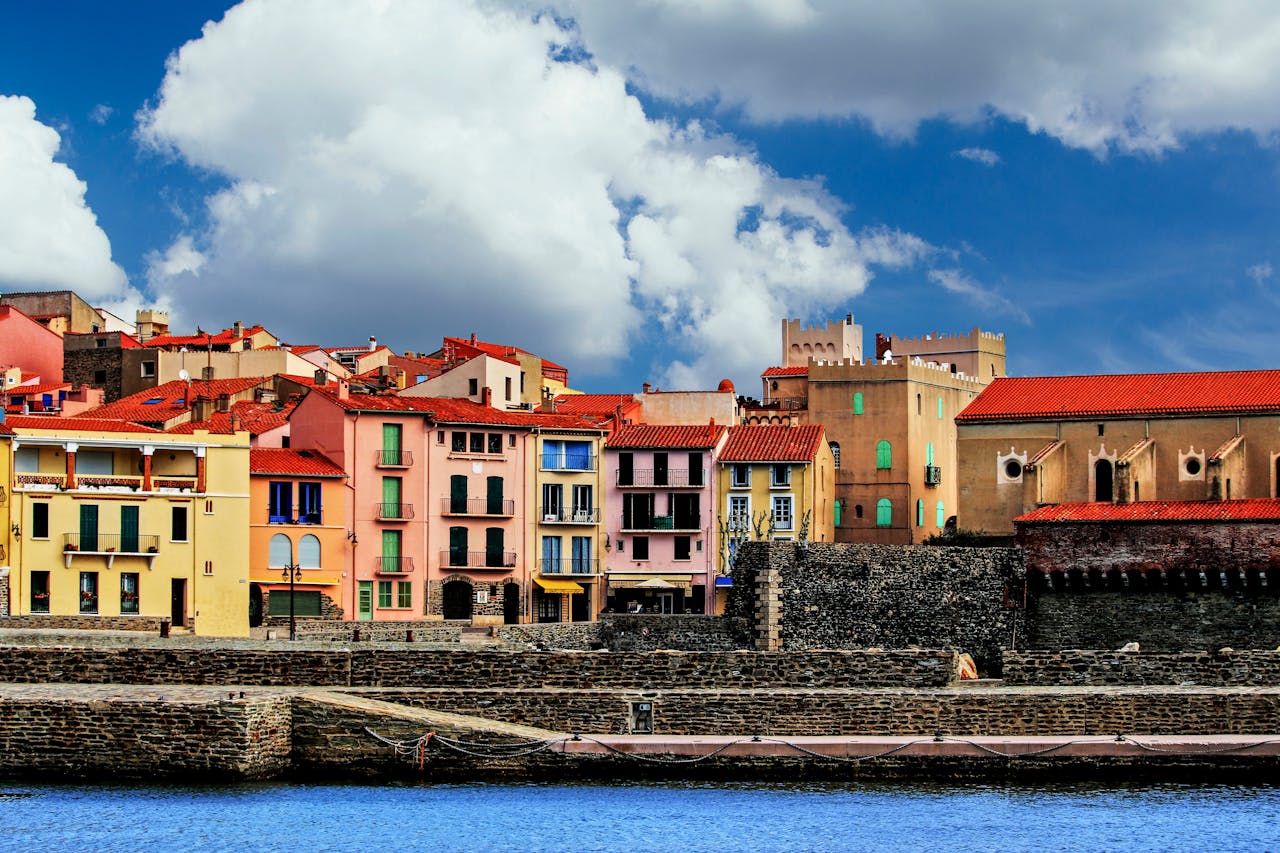
Discover Collioure, a picturesque coastal town nestled in the heart of French Catalonia, where the Pyrenees mountains meet the Mediterranean Sea. This enchanting destination, often called the “jewel of the Vermillion Coast,” has long been a source of inspiration for artists, with its colorful houses, historic royal castle, and crystal-clear waters creating an atmosphere of timeless beauty.
History of Collioure
Collioure’s rich history spans over two millennia, with evidence of settlement dating back to the Romans. The town’s strategic position made it a coveted port throughout history, passing between various kingdoms and powers.
The Knights Templar established themselves here in the 13th century, and the town later became a crucial royal port under the Kingdom of Mallorca. The imposing Château Royal, built by the Kings of Mallorca in the 13th and 14th centuries, still dominates the harbor today. In the early 20th century, Collioure became a haven for artists, particularly the Fauvists, with Henri Matisse and André Derain creating some of their most famous works here, forever cementing the town’s place in art history. The vibrant colors and unique light that attracted these artists continue to enchant visitors today.
How to get there
Collioure’s location in the Pyrénées-Orientales department makes it accessible through various transportation options. While the town itself is small and walkable, getting there requires some planning, especially during peak tourist season. The journey to Collioure is part of the experience, offering beautiful views of the Mediterranean coastline and the Pyrenees mountains.
- By train: Regular services from Perpignan (25 minutes) and connections to major French cities
- By car: Access via the A9 motorway, exit at Perpignan Sud
- By plane: Fly to Perpignan airport (30 minutes away) or Barcelona El Prat (2.5 hours)
- By bus: Regular services from Perpignan and other coastal towns
`
What to do in Collioure
Collioure offers a perfect blend of cultural, historical, and natural attractions. The town’s compact size belies its wealth of activities and sights. From art galleries to ancient fortifications, from wine tasting to water sports, there’s something to captivate every visitor. The interplay of light and color that once inspired the Fauvists continues to create magical moments throughout the day, making even a simple walk an unforgettable experience.
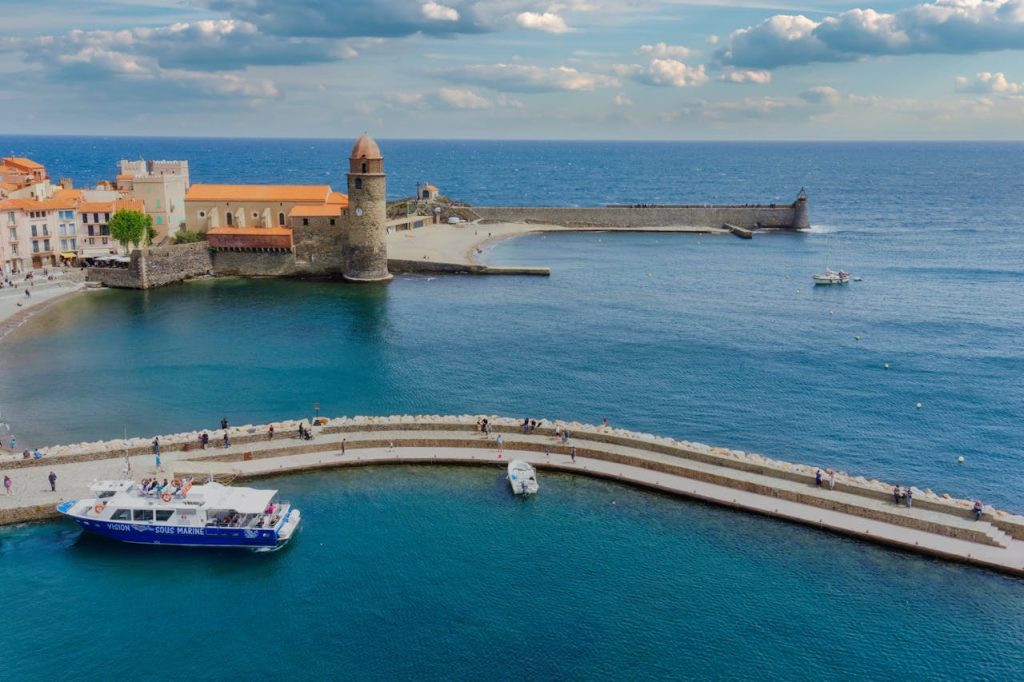
Historical landmarks
- Château Royal de Collioure – Medieval castle with maritime views
- Notre-Dame-des-Anges Church – Iconic church with lighthouse bell tower
- Fort Saint-Elme – 16th-century fortress overlooking the bay
- Windmill – Historic windmill offering panoramic views
Artistic heritage
The town’s artistic legacy is visible everywhere, from the reproductions of famous paintings placed where they were originally painted to the numerous galleries showcasing contemporary artists. The special quality of light that attracted the Fauvists continues to draw artists from around the world.
- Museum of Modern Art
- Path of Fauvism
- Local art galleries
- Artist studios
Visit Collioure in one day
While a single day barely scratches the surface of what Collioure has to offer, it’s possible to experience the town’s highlights in 24 hours. The compact nature of the old town means you can easily walk between major attractions. Start early to make the most of the morning light that so inspired the Fauvists.
- Morning: Visit Château Royal and Notre-Dame-des-Anges Church
- Midday: Lunch at a seaside restaurant, trying local anchovies
- Afternoon: Explore the art galleries and follow the Path of Fauvism
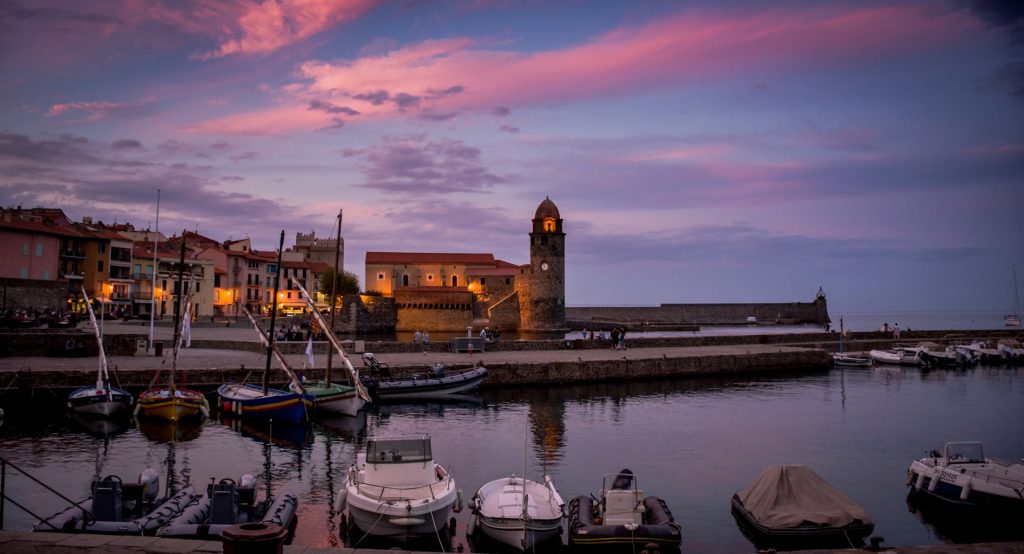
- Evening: Sunset walk along the beach and dinner in the old town
Visit Collioure in two days
A two-day visit allows you to explore at a more relaxed pace and venture beyond the town center. You’ll have time to appreciate the local cuisine, perhaps take a wine tasting tour, and explore the surrounding hills. The extra time also lets you experience the town during different times of day, when the light creates entirely different atmospheres.
- Day 1: Historical sites and town center exploration
- Day 2: Beaches, hiking trails, and wine tasting in local vineyards
Visit Collioure in three days
Three days gives you the perfect amount of time to fully immerse yourself in the Collioure lifestyle. You can combine cultural visits with outdoor activities, and take time to relax on the beaches or in the cafes. This duration also allows for a day trip to nearby attractions or a more extensive exploration of the local wine country.
- Day 1: Town center and historical monuments
- Day 2: Artistic heritage and beaches
- Day 3: Local vineyards or day trip to nearby villages
Tips for visiting Collioure
Making the most of your visit to Collioure requires some insider knowledge. The town can get very busy during peak season, but there are ways to avoid the crowds and experience the authentic charm that has attracted visitors for centuries. The local tourist office provides excellent resources, including maps of walking trails and cultural routes.
- Visit early morning or evening to avoid crowds
- Book restaurants in advance during peak season
- Wear comfortable walking shoes for the cobblestone streets
- Bring swimming gear – the beaches are irresistible
- Consider visiting in shoulder season for a more relaxed experience
Entry tickets and prices
While many of Collioure’s charms can be enjoyed for free, such as wandering the picturesque streets or relaxing on the beaches, some attractions require tickets. Planning ahead and considering combination tickets can help you save money while experiencing the best of what the town has to offer.
- Château Royal: €4 adults, free for under 12
- Fort Saint-Elme: €6 adults, €3 children
- Modern Art Museum: €3
- Guided tours: €8-15 depending on duration and type
Opening hours
Opening hours in Collioure follow typical French patterns, with many businesses closing for lunch. Museums and attractions generally have longer hours during peak season. It’s worth noting that some restaurants close between lunch and dinner service.
- Château Royal: 10:00-18:00 (extended in summer)
- Museums: Generally 10:00-17:00, closed Mondays
- Tourist Office: 9:00-19:00 in summer, shorter hours in winter
- Shops: 10:00-19:00, with lunch break 12:30-14:30
Best time to visit
Each season in Collioure has its own charm, from the vibrant summers to the peaceful winters. The Mediterranean climate ensures mild temperatures year-round, though the town’s popularity means summer can be quite busy. The changing seasons bring different festivals and activities, making any time a good time to visit for the right traveler.
- Spring (April-June): Perfect weather, fewer crowds
- Summer (July-August): Warmest weather, busiest season, plenty of events
- Fall (September-October): Still warm, wine harvest season
- Winter (November-March): Quiet, authentic atmosphere, lower prices
Why visit with a professional tour guide?
A professional tour guide can transform your understanding of Collioure’s rich history and culture. Many fascinating stories and hidden corners of the town are easily missed without expert knowledge. Guides can provide context to the artistic heritage, historical events, and local traditions that make Collioure unique.
- Access to little-known viewpoints and hidden passages
- In-depth knowledge of the town’s artistic heritage
- Understanding of local traditions and festivals
- Recommendations for authentic local experiences
- Historical insights that bring the town’s past to life
Local wines and gastronomy
Collioure’s culinary heritage is a delightful mix of French and Catalan influences, complemented by excellent local wines. The town is famous for its anchovies, which have been prepared here for generations. The surrounding hillsides are covered in terraced vineyards producing distinctive wines, particularly the sought-after Collioure and Banyuls appellations.
- Traditional anchovy preparations
- Fresh seafood restaurants
- Local wine tastings
- Catalan specialties
Beaches and outdoor activities
The coastline around Collioure offers several beautiful beaches and coves, each with its own character. The crystal-clear waters are perfect for swimming and various water sports. The surrounding hills provide excellent hiking opportunities, with trails offering spectacular views of the coast.
- Swimming and snorkeling in crystal-clear waters
- Kayaking and paddleboarding
- Coastal hiking trails
- Mountain biking in the nearby hills
Local festivals and events
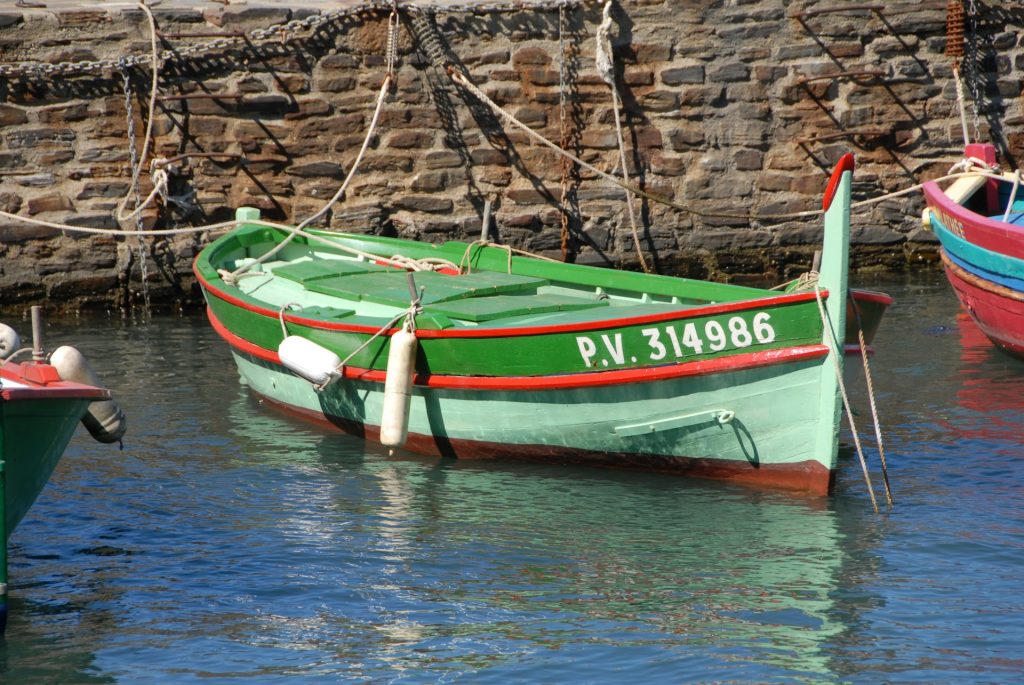
Collioure maintains a vibrant calendar of cultural events throughout the year. These festivals celebrate everything from the town’s artistic heritage to its maritime traditions and local products. Many events have been celebrated for generations, offering visitors a chance to experience authentic local culture.
- Saint Vincent Festival (August) – Town’s main festival
- Anchovy Festival (June)
- Water Jousting competitions (summer)
- Christmas markets and celebrations
Frequently asked questions
Is Collioure worth visiting?
Absolutely. Collioure’s combination of historical architecture, artistic heritage, beautiful beaches, and excellent cuisine makes it one of the most charming destinations on the French Mediterranean coast.
How many days do you need in Collioure?
While you can see the main sights in one day, 2-3 days allows you to fully appreciate the town’s atmosphere and explore the surrounding area.
What is Collioure famous for?
Collioure is famous for its artistic heritage (especially the Fauvist movement), historical fortifications, anchovies, and local wines.
What is the best time of year to visit Collioure?
Late spring (May-June) and early fall (September-October) offer the best combination of good weather and fewer crowds.
Can you swim in Collioure?
Yes, Collioure has several beautiful beaches with clear Mediterranean waters perfect for swimming from late spring through early fall.
Is Collioure expensive?
While not the most expensive destination on the French coast, Collioure’s popularity means prices can be high during peak season. Visiting in shoulder season offers better value.
