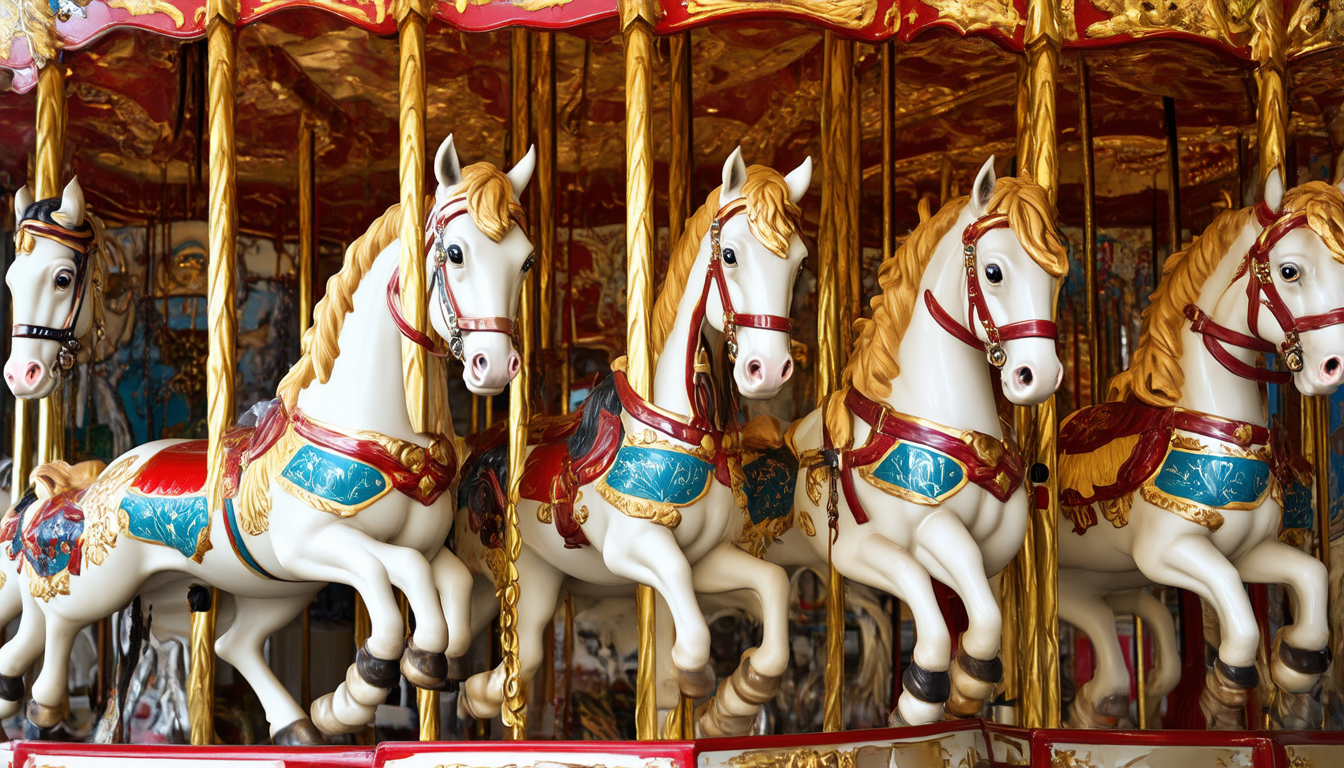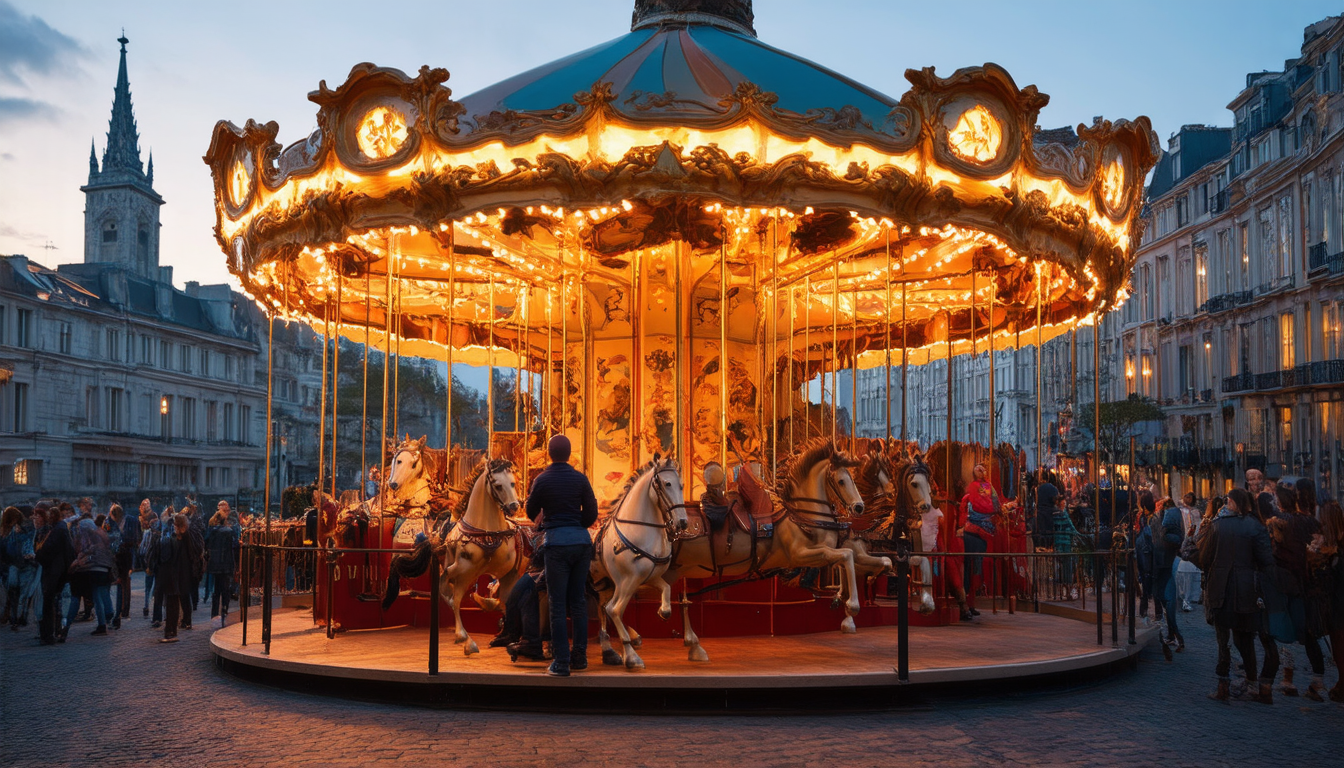
The iconic carousel of Montmartre stands as a testament to Parisian romance and whimsy at the foot of the majestic Sacré-Cœur Basilica. This vintage double-decker merry-go-round has delighted visitors for generations with its ornate horses, magical charm, and spectacular views of the City of Light.
A Historical Journey Through Time
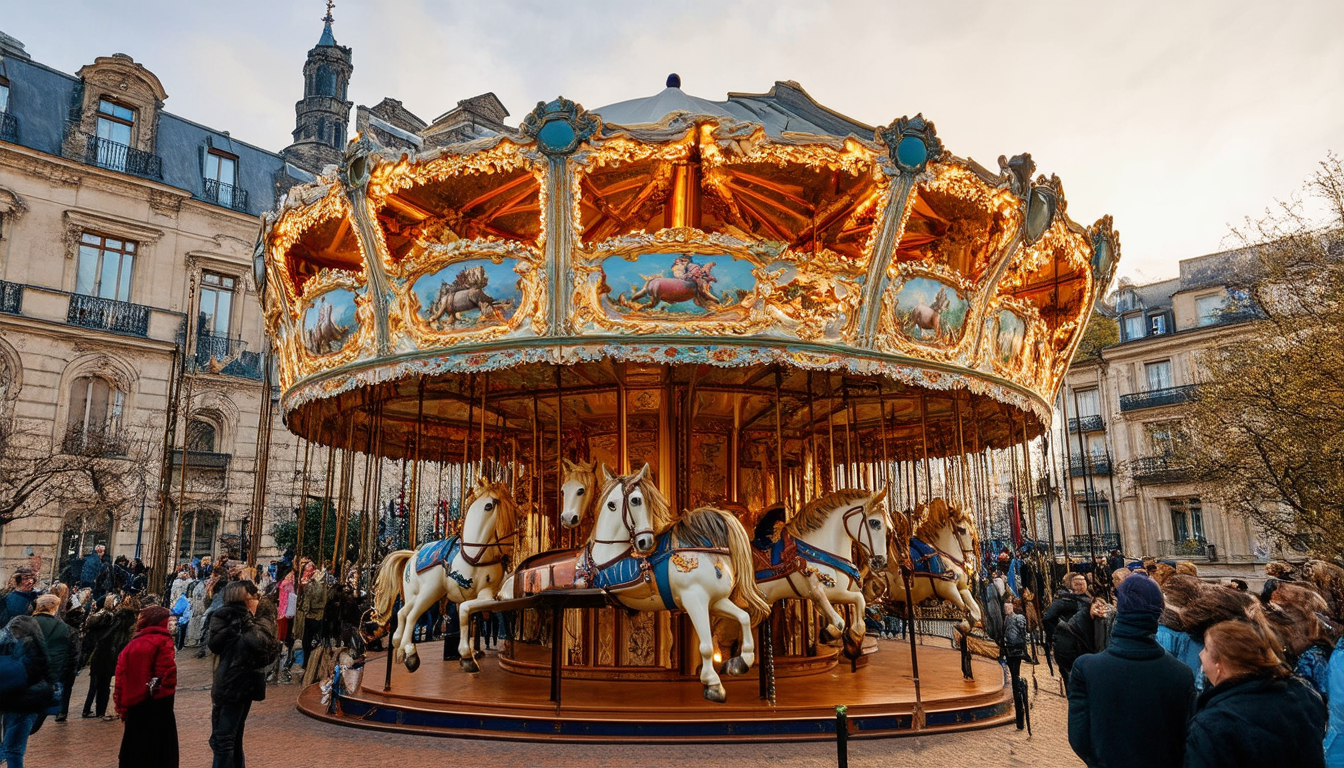
The Montmartre carousel emerged in the late 19th century during the Belle Époque era, when carousels became symbols of Parisian leisure and entertainment. Built in 1892, this traditional fairground ride features exquisitely hand-carved wooden horses and intricate paintings that showcase the craftmanship of the period. The unique two-level design makes it one of only a handful of double-decker carousels remaining in Paris.
Architectural Marvel and Design
The carousel’s distinctive features include ornate baroque details, mirrors, and gilded accents that reflect the artistic heritage of Montmartre. Each wooden horse displays unique characteristics, from flowing manes to detailed saddles and stirrups. The upper deck offers riders an elevated perspective of the surrounding plaza and the magnificent Sacré-Cœur steps.
The Perfect Photo Opportunity
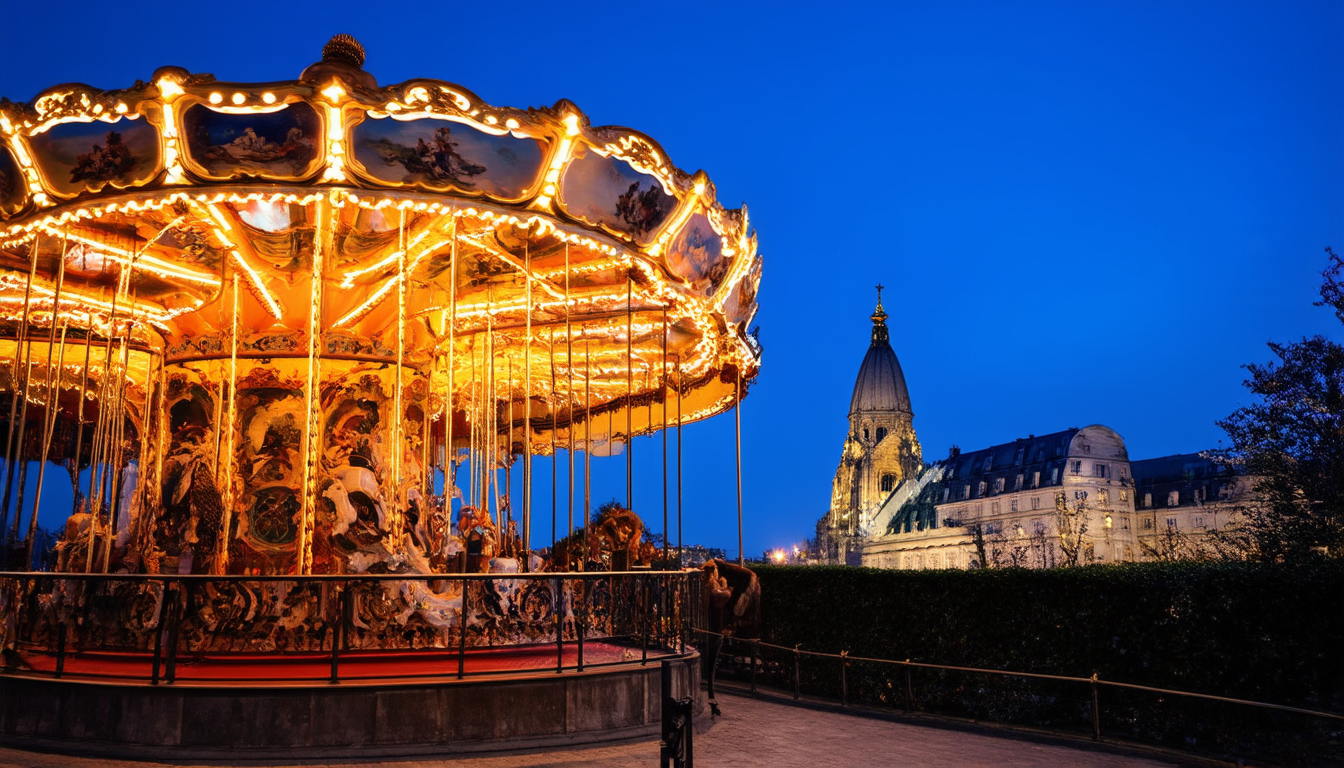
The carousel creates an ideal backdrop for Instagram-worthy photos, particularly during golden hour when the setting sun bathes the scene in warm light. Professional photographers often capture wedding photos and fashion shoots here, taking advantage of the carousel’s vintage aesthetic and the romantic Parisian atmosphere.
Practical Information for Visitors
Located at Place Saint-Pierre, the carousel operates daily from 11am to sunset. Ticket prices remain affordable at €3 per ride, with special rates for children under 12. The best times to visit are early morning or during weekdays to avoid crowds. The carousel becomes particularly magical during evening hours when its lights illuminate the base of Sacré-Cœur.
Cultural Impact and Modern Significance
The Montmartre carousel has appeared in numerous films, postcards, and artworks, cementing its status as a cultural icon. Many artists and writers have drawn inspiration from its timeless charm, incorporating it into their work as a symbol of Parisian joie de vivre. Today, it serves as both a beloved attraction and a preservation of traditional fairground arts.