

Montmartre: A Cultural Haven in the Heart of Paris
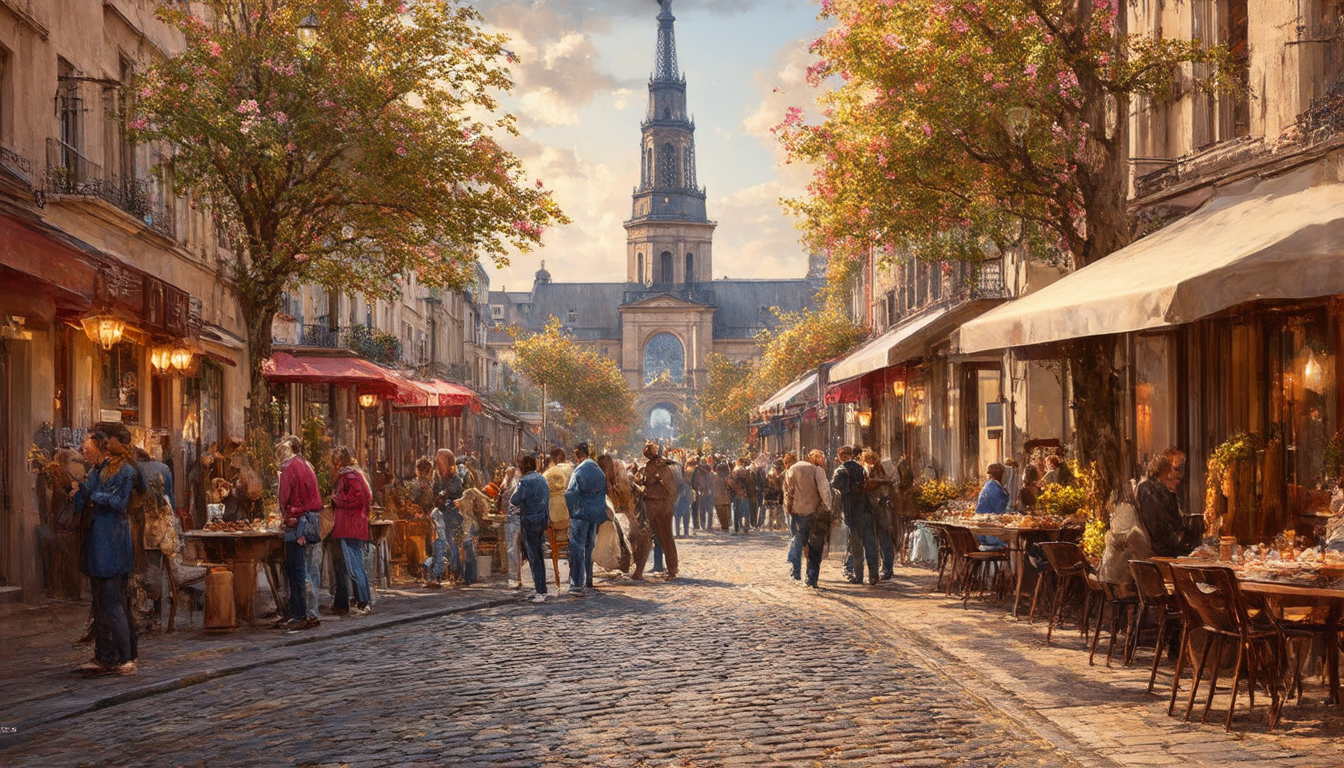
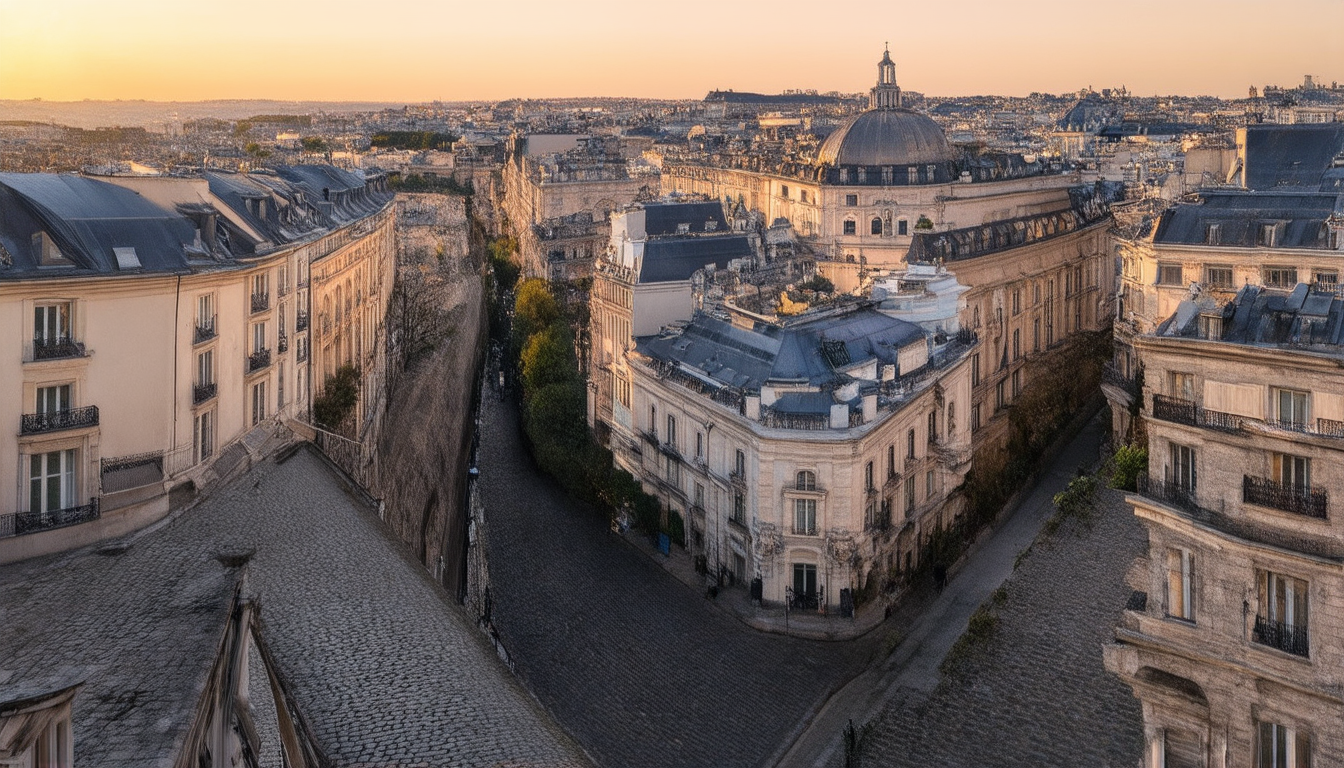
Perched atop the highest hill in Paris, Montmartre stands as a testament to artistic heritage and bohemian spirit. This charming village-like neighborhood rises 130 meters above the city, offering breathtaking panoramic views and an authentic slice of Parisian life. From cobblestone streets to hidden vineyards, every corner tells a story of creativity and cultural revolution.
The Artistic Soul of Montmartre
The artistic legacy of Montmartre runs deep through its veins. During the Belle Époque, legendary artists like Pablo Picasso, Vincent van Gogh, and Henri de Toulouse-Lautrec found inspiration in these winding streets. Their presence transformed simple cafés and studios into cultural landmarks that still pulse with creative energy today.
Historic Artist Haunts
The legendary Bateau-Lavoir, a former piano factory turned artist residence, hosted some of the most influential minds of the 20th century. Here, Picasso painted his groundbreaking work ‘Les Demoiselles d’Avignon,’ marking the birth of modern art. Today, while the original building is gone, a replica stands as a testament to this revolutionary period.
Hidden Treasures of Montmartre
Beyond the tourist-filled squares lie secret corners waiting to be discovered. The Clos Montmartre, Paris’s last working vineyard, produces 1,500 bottles of wine annually, hidden behind ancient stone walls. Le Passe-Muraille, a remarkable sculpture emerging from a wall, pays homage to Marcel Aymé’s famous short story about a man who could walk through walls.
Cultural Landmarks and Modern Life
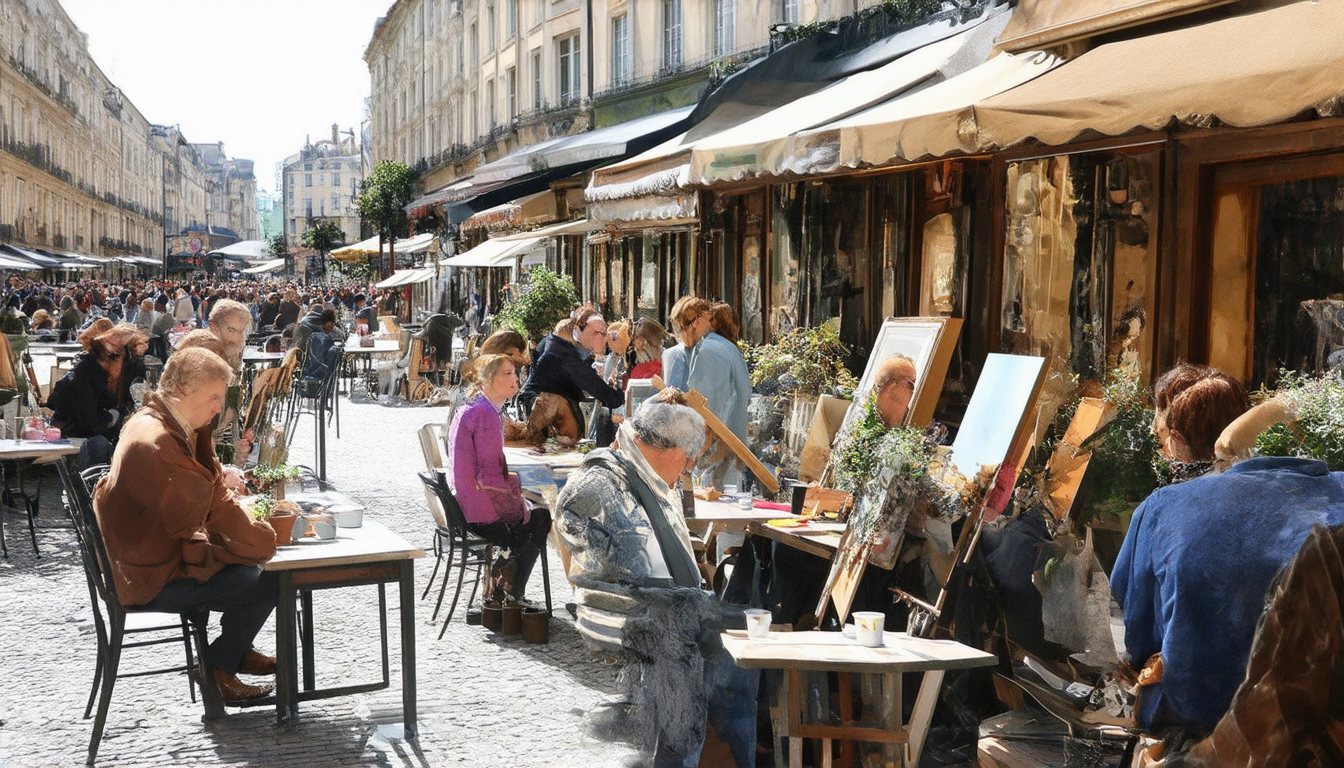
The iconic Sacré-Cœur Basilica dominates the skyline, its white stone gleaming against the Parisian sky. The basilica’s construction began in 1875 and stands as a symbol of both spiritual devotion and architectural magnificence. Place du Tertre, once the heart of medieval Montmartre, now buzzes with artists capturing portraits and cityscapes for enchanted visitors.
Gastronomic Delights
The culinary scene in Montmartre offers a perfect blend of traditional French bistros and modern eateries. Historic establishments like Le Consulat and La Maison Rose have served artists and writers for generations. Modern wine bars and innovative restaurants now complement these classics, creating a diverse gastronomic landscape.
Practical Tips for Visitors
The best time to explore Montmartre is during early morning or evening hours when the crowds thin and the neighborhood reveals its authentic character. The Montmartre Museum offers insights into the area’s rich history, while the funicular provides easy access to the summit for those wanting to avoid the steep stairs.
